Sitges says women genre directors are gaining ground, but barriers remain
Monica Garcia said women’s presence in genre films at Sitges has climbed since WomanInFan began, as a LatAm offshoot launches.
By Poppy Nakagawa · Culture Writer
3 min read
Women genre filmmakers are taking up far more space at Sitges than they were six years ago, according to the festival’s director general Monica Garcia, who said female directors in the festival’s genre ranks have risen from 6% to about 30% since the launch of WomanInFan.
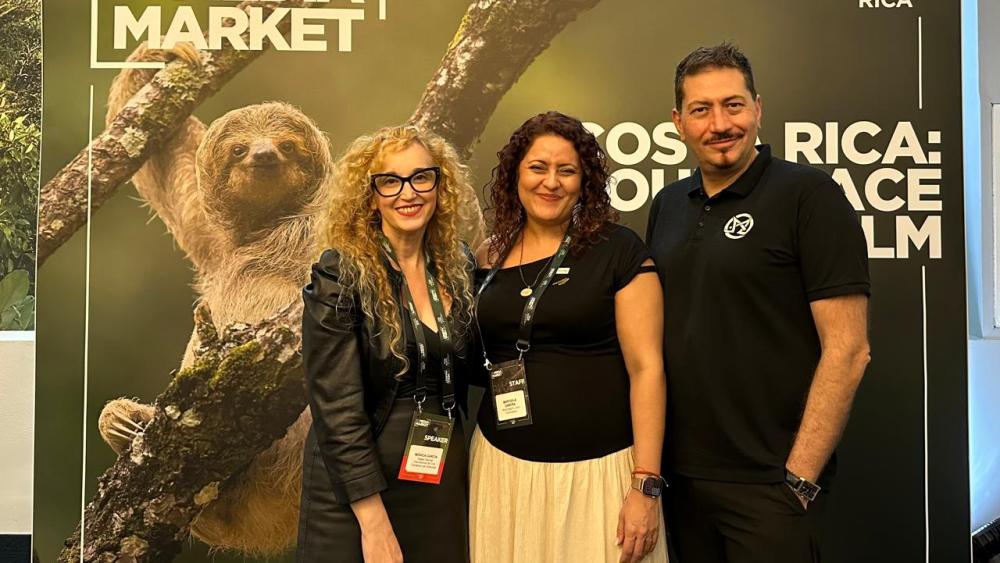
Garcia shared the figure with Variety while attending the Costa Rica Media Market, where she announced a Latin American branch of WomanInFan, the Sitges-backed initiative focused on women in genre cinema.
The new WomanInFan LatAm program arrived at the market alongside a wider discussion on Latin American horror, fantasy and other genre work. Garcia appeared with Morbido CEO Pablo Guisa and Mexican filmmaker Luis Javier Henaine, whose credits include “Disappear Completely,” for a panel on the state of the field and the rise of women directors.
Progress with a hard edge
Garcia’s numbers point to movement, but she said the climb remains steep. During the panel, she showed a trailer for a documentary she directed about women who have worked in genre filmmaking.
Garcia told Variety that the women featured in the documentary repeatedly described blocked ambitions, industry resistance and the struggle to be allowed to direct. She said Katharina Kubrick, Stanley Kubrick’s daughter, appears in the project and discusses the marginalization she experienced as both Kubrick’s daughter and a woman.
For Garcia, the documentary’s sting is that the problem is not limited to one era. She said the barriers have stretched across decades and generations, even as conditions have improved.
The pressure, as described by Garcia, cuts two ways: women face bias as directors, and then face another layer of resistance when they enter genre cinema.
Latin America’s genre engine
The panel also turned to the creative pipeline between Spain and Latin America. Guisa told Variety the connection is rooted in shared language and religious imagery, citing virgins, saints, the Holy Trinity, demons and hell as material that feeds genre films.
Guisa said Latin American fantasy carries that inheritance, from Guillermo del Toro to short filmmakers continuing the tradition. He also described fantasy as an unusually open space for expression in a region he characterized as naturally suited to the form.
Garcia credited Latin America, with Argentina out front, for helping define modern genre cinema. She said the Blood Window program at Ventana Sur gave international genre co-productions in the region a major financial lift and helped fuel rapid growth.
She pointed to Demián Rugna’s Argentine horror film “When Evil Lurks,” known in Spanish as “Cuando acecha la maldad,” which in 2023 became the first Latin American movie to win Sitges’ best feature film prize.
Comedy, horror and the next wave
Henaine, whose “Disappear Completely” was praised by Guisa as Mexico’s best horror film in two decades, said his background in comedy helped shape his move into horror. He told Variety both genres are hard to execute because each depends on a strong emotional reaction from the audience.
Henaine said he begins with human feeling rather than asking first how to scare viewers or make them laugh, adding that a real situation can allow fear or humor to emerge.
Garcia said Sitges is watching for more women to break through and keep working, naming Issa López of “Tigers Are Not Afraid” and “True Detective,” along with Laura Casabé of “The Virgin of the Quarry Lake.” She said continuity is difficult for filmmakers, and even harder for women, while adding that Sitges has followed such talents from their first films.
The Costa Rica Media Market took place July 14 and 15.
This story draws on original reporting from Variety.