Giorgos Tsetis’ 20% rule puts charity into Great Things’ profit plan
Nutrafol co-founder Giorgos Tsetis says his Great Things office directs at least 20% of annual net realized profits to charity.
By Sal Moretti · Money Reporter
3 min read
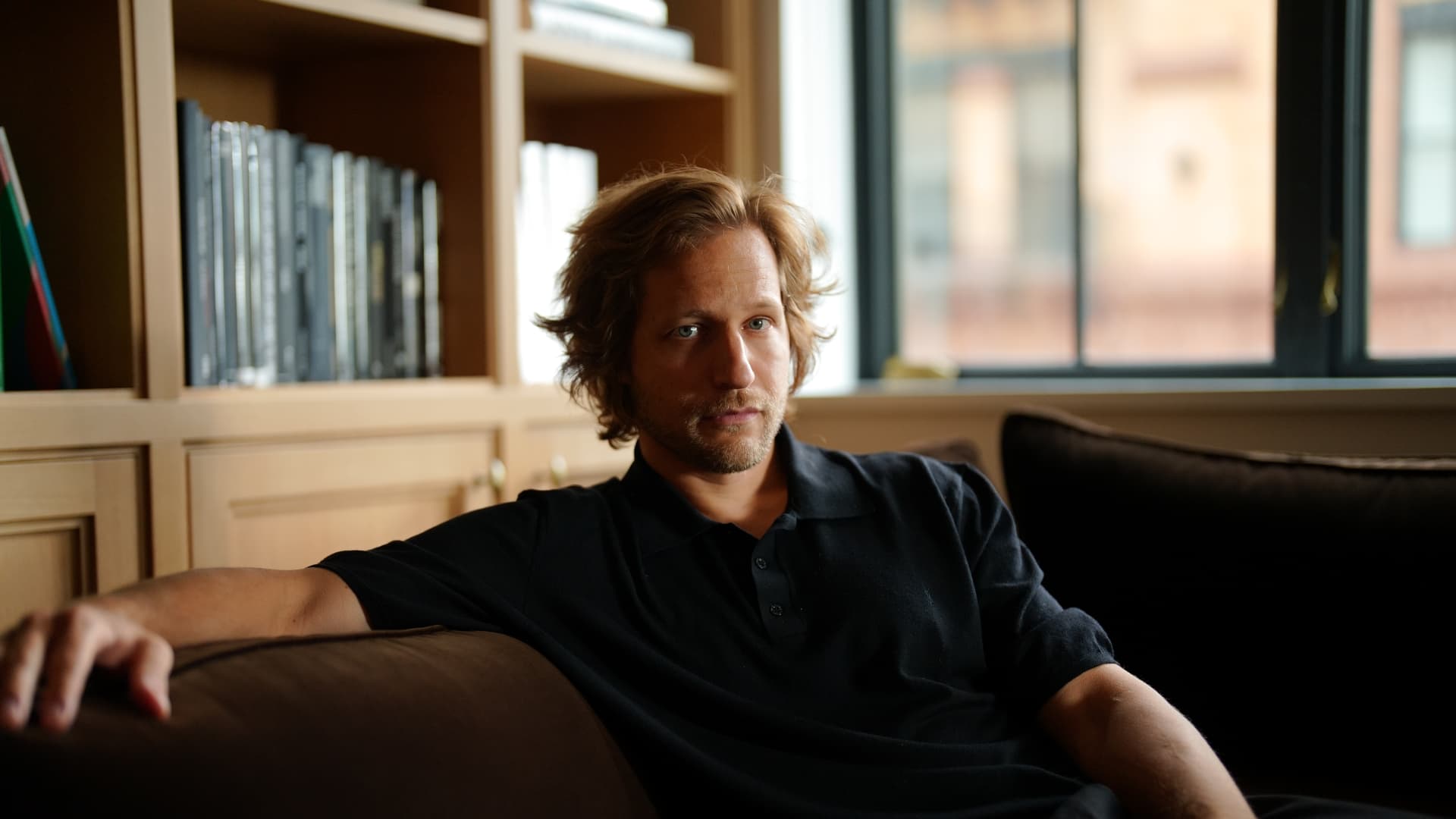
The Giorgos Tsetis 20% rule is the operating promise behind Great Things, the family office launched by the Nutrafol co-founder: at least 20% of its annual net realized investment profits is allocated to philanthropy.
Tsetis formally launched Great Things in 2025 after selling his remaining Nutrafol stake to Unilever at a $3.5 billion valuation, CNBC reported. His aim is to put charitable giving alongside investing while wealth is being created, rather than leave it for a later stage.
The rule is narrower than it may sound. It is not a commitment of 20% of the office’s assets, portfolio value or every paper gain. The stated minimum applies to annual net realized profits, meaning gains have to be converted into completed returns before they count toward the calculation.
How does Giorgos Tsetis’ 20% rule work?
Great Things invests in startups and directs a minimum share of the profits it realizes each year to charitable work. Gabriel Cooperman, Tsetis’ financial adviser and a UBS Wealth Management managing director who helped set up the office, told CNBC the structure draws on venture-capital and private-equity economics, with a charitable allocation replacing the usual profit-sharing interest.
Investment exits can be uneven, so the office uses a donor-advised fund as a buffer when a particular year’s profits do not cover its charitable commitments, CNBC reported. Great Things generally makes nonprofit pledges lasting three to five years.
Every Cure, a nonprofit working on repurposing existing medicines for rare diseases, says Tsetis gave it $1 million soon after Great Things opened. The organization says the office was created to use investment profits for philanthropy.
Family offices usually bring a wealthy family’s investments, wealth planning, philanthropy and other affairs under one private operation, according to the American College of Trust and Estate Counsel. Great Things’ claimed distinction is its recurring profit-linked giving floor, not a traditional impact-investing screen for every deal.
What has Great Things invested and given?
Over the previous 18 months, Great Things had invested nearly $40 million and made roughly $7 million in gifts and pledges, Tsetis told CNBC. Those figures were reported from Tsetis and have not been independently audited in the available reporting.
He also said the office made a sevenfold return on Anthropic through a secondary exit over 18 months. If its investment pace continues, Tsetis expects Great Things to deploy another $60 million within two years, CNBC reported.
That approach comes with an unresolved tension. Great Things’ portfolio includes Polymarket, the prediction-market company. Tsetis told CNBC the office chose to participate in pursuit of returns while monitoring how the investment develops and considering what to do with any gains.
Tsetis and his partner, Roman Kalantari, have also become more cautious on artificial-intelligence startups, according to CNBC. They are favoring later-stage rounds for liquidity and looking for businesses with durable propositions and their own technology, Kalantari said.
Tsetis has said applying a conventional impact-investing test could make the model harder to scale. Whether other family offices adopt comparable rules, and whether Great Things can sustain its pledge levels through slower investment markets, remains unproven.
This story draws on original reporting from CNBC.