IRS raises mileage write-off as gas prices climb again
Self-employed drivers and business owners can deduct 76 cents a mile from July through December, but commuting miles still do not count.
By Sal Moretti · Money Reporter
3 min read
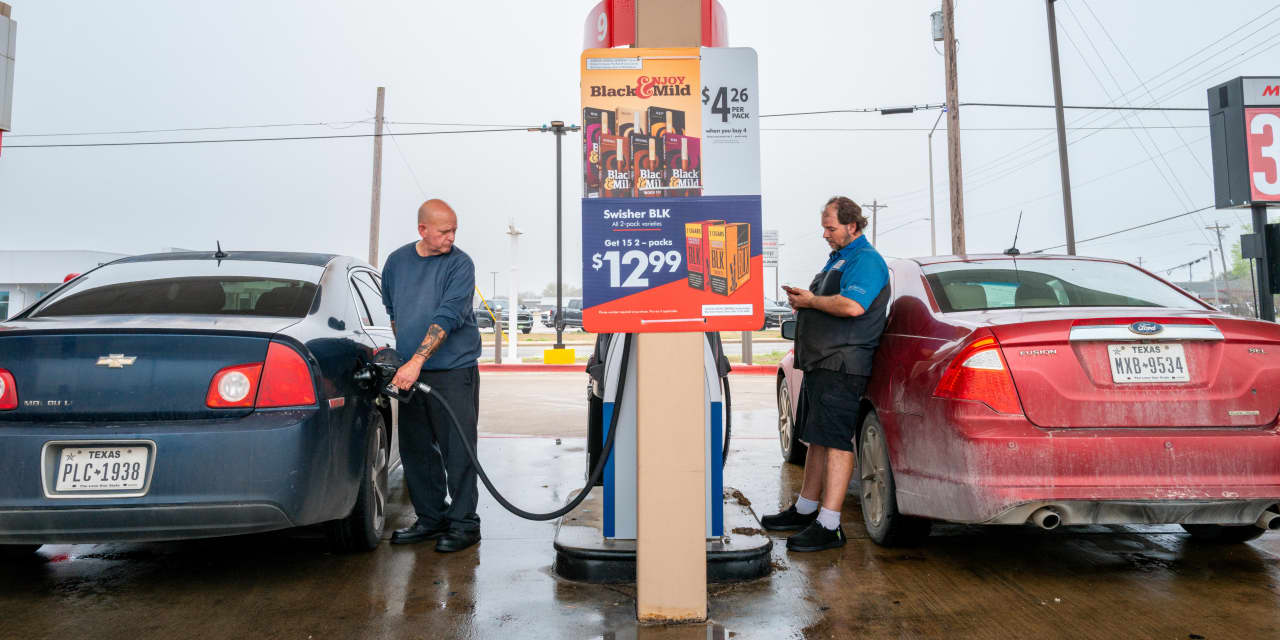
The IRS is giving eligible drivers a bigger mileage deduction for the second half of 2026, a midyear boost tied to rising fuel costs.
Under the updated rate, business miles driven from July through December can be deducted at 76 cents per mile, according to an IRS bulletin published July 9. The rate for the first six months of the year was 72.5 cents per mile, making the new figure an increase of nearly 5%.
The Internal Revenue Service said the change was prompted by “recent increases in the price of fuel.” The standard mileage rate is designed to account for more than gas, covering driving costs such as wear and tear on a vehicle.
Who can claim the higher rate
The deduction is limited. Mark Luscombe, principal analyst at Wolters Kluwer Tax & Accounting, told MarketWatch that the mileage write-off on individual income taxes is available to sole proprietors who use Schedule C to report business income or losses.
That group can include independent contractors and gig workers who drive for rideshare companies such as Uber and Lyft, Luscombe said. Self-employed taxpayers and business owners may also qualify.
Employees who drive as part of a job for someone else are outside the group described by Luscombe. The IRS also says commuting miles, meaning the drive between home and an office, do not qualify for the reimbursement rate. The deduction applies to eligible business travel after the workday has begun.
Gas prices are back in focus
The IRS move lands as pump prices have been moving higher again. AAA’s national average on Wednesday was $3.89 a gallon, up 10 cents from a week earlier, but below the $4.06 average from a month earlier.
MarketWatch reported that some fuel-industry experts say U.S. gasoline could reach the closely watched $4-a-gallon level within days. Oil and gasoline prices have risen as hostilities flared after a U.S.-Iran cease-fire deal came undone, according to the report.
Midyear mileage-rate changes are unusual, though they have happened before. The IRS raised its rate in the middle of 2022, when gasoline prices surged early in the Russia-Ukraine war.
How drivers can get the most from it
The deduction depends on documentation, so eligible drivers need to track business miles. Drivers can record each trip manually or use mileage-tracking apps built for tax records.
Luscombe gave MarketWatch a simple example: 100 qualifying miles driven in the first half of 2026 would reduce taxable income by $72.50. The same 100 business miles driven in the second half would produce a $76 deduction under the new rate.
For people who drive frequently for work, the numbers add up fast. Mark Gallegos, a tax partner at Porte Brown, told MarketWatch he has a client who drives at least 10,000 work miles a year, enough to produce a four-figure deduction at tax time.
“When you talk about people who drive hundreds of miles, or thousands of miles, it matters,” Gallegos told MarketWatch.
This story draws on original reporting from MarketWatch.