College sports bill could let Power Four grow after five-year wait
CBS Sports reports proposed edits would cap Power Four leagues while allowing expansion, but schools may have to sit as independents first.
By Georgia Hale · Staff Writer
4 min read
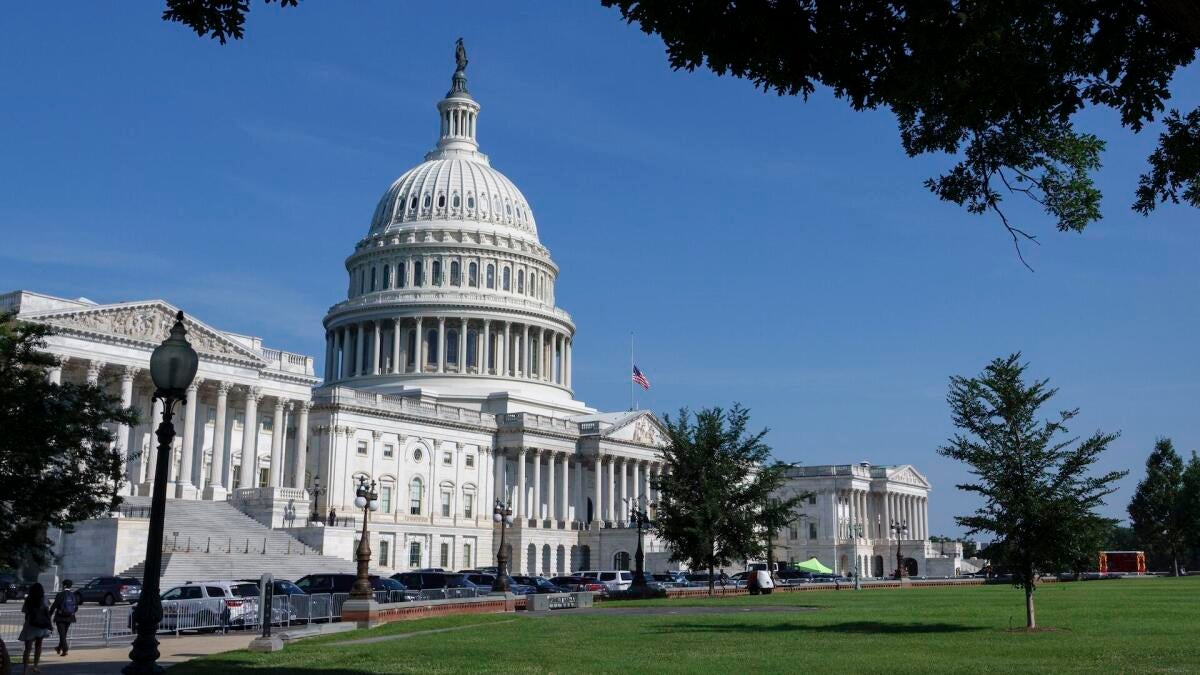
A new version of the Protect College Sports Act could open the door for Power Four expansion, but any school trying to jump leagues may have to take a five-year detour through independence first.
CBS Sports reported Monday that lawmakers and college sports officials are discussing changes that would set a membership ceiling of 19 or 20 schools for Power Four conferences and create a formal process for conference moves. A person familiar with the talks told CBS Sports that Republicans have proposed a 20-team limit.
The talks come as the bill, aimed at giving college athletics legal protections and national rules for name, image and likeness, moves toward a possible Senate floor vote later this month.
The Big Ten and SEC have pushed back on language that CBS Sports said would effectively lock Power Four membership in place. The earlier version was written to stop the Big Ten and SEC from combining into a super league. Under revised language described by CBS Sports, any conference with at least $700 million in revenue would be barred from merging with, acquiring or absorbing another conference or its members.
SEC commissioner Greg Sankey questioned that section Monday at SEC media days in Tampa, Florida, telling reporters: “When I first read it, it's like, ‘Why is that even in there?’” He said there were “three or four changes” tied to that title of the bill that are “critically important” to the SEC if the section remains.
The independence catch
Under the proposal reported by CBS Sports, a Power Four school that wants to move to another conference would first need to spend at least five years as an independent. The point of that delay, according to the report, is to slow the kind of realignment churn that has remade college football over the past decade.
Notre Dame and UConn would be exceptions because they already compete as independents, sources told CBS Sports. Both could join a Power Four league right away under the discussed changes. CBS Sports reported that Notre Dame would have been blocked from joining a power conference under the bill’s current wording.
The fight over conference movement is only one piece of the broader standoff. The SEC and Big Ten have not endorsed the bill as written, and sources in Washington told CBS Sports there is hope of reaching a deal this week.
Sankey said the SEC has tried to act as a constructive participant. He said the league sent 10 “commonsense suggestions” in June, focused largely on antitrust protections and federal preemption, which would replace conflicting state laws.
“Those 10 concepts are not SEC issues,” Sankey said. “Those are changes that we believe benefit all of college athletics in providing a national solution.”
Media rights and lawsuits
CBS Sports reported that the SEC’s objections to the bipartisan bill from Sens. Ted Cruz and Maria Cantwell center on three areas.
One is a media-pooling provision in Title II that would let schools voluntarily pool and jointly negotiate media rights. The SEC and Big Ten, which have existing deals with ESPN, CBS and Fox, argue the wording could expose them to lawsuits and pressure them into a pooling setup against their will.
Another concern is a private right of action provision that would allow athletes to sue schools over alleged violations involving NIL rights, health and safety standards, and scholarship protections. Both conferences have warned the language is too broad, according to CBS Sports.
Sankey also acknowledged that frustration has led to talk inside the SEC and Big Ten about self-governance models, which CBS Sports described as a de facto break from the NCAA. “They're real,” Sankey said of those discussions, while adding that he does not view them as a leverage play.
The Protect College Sports Act cleared the Senate Commerce Committee last month in a 19-9 bipartisan vote. CBS Sports reported that it has support from 24 conferences, 267 colleges and universities, and the NFL, but not yet from the SEC and Big Ten.
Time is tight. Congress is scheduled to leave for its August recess, and CBS Sports reported that legislation is expected to slow as Washington turns toward midterm elections.
This story draws on original reporting from CBS Sports.