ESPN’s Dynasty 300 puts fantasy focus on the next five years
ESPN’s latest fantasy baseball dynasty rankings weigh 2026 through 2031 as managers size up trades, keepers and rebuilds.
By Deshawn Carter · Sports Writer
3 min read
Fantasy baseball managers staring at the trade deadline now have a fresh long-range cheat sheet: ESPN has updated its Dynasty 300 rankings for players valued across the rest of 2026 and the next five-plus seasons.
ESPN senior writer Tristan H. Cockcroft said the list is built for dynasty and keeper leagues, especially for teams deciding whether to chase a title, sell for the future or prepare for offseason roster cuts. Cockcroft is listed by ESPN as a senior writer for fantasy baseball and football, a Fantasy Sports Writers Association Hall of Fame member, and a past LABR and Tout Wars champion.
The update was published July 22, 2026, as ESPN league trade deadlines approach. ESPN framed the rankings as a tool for fantasy managers weighing player value beyond this season, rather than a one-year redraft board.
How ESPN weights the rankings
ESPN said the Dynasty 300 uses a year-by-year valuation model that spreads player worth across six time windows. The heaviest weight goes to the 2027 through 2030 seasons, with the current year and the far future carrying smaller shares.
- Rest of 2026: 10%
- 2027: 20%
- 2028: 20%
- 2029: 20%
- 2030: 20%
- 2031 and beyond: 10%
Cockcroft said the design is meant to help managers forecast value over a longer period. ESPN also directed managers in single-season formats to its separate rest-of-2026 points-league rankings.
The rankings lean toward points-based formats because they mirror ESPN’s standard fantasy game, according to the explanation. ESPN said the list also accounts for broader fantasy formats because the time horizon runs well beyond the current season.
What managers are told to consider
ESPN said league rules can change how managers should read the board. The update tells fantasy players to account for whether their leagues use roto or points scoring, standard or deeper rosters, and draft or salary-cap pricing.
The guidance also highlights keeper count, contract limits, guaranteed deals, inflation rules and the presence of minor league or farm-team spots. ESPN said team direction matters too, since contenders, rebuilders and teams in the middle may value the same player differently.
The rankings are organized by position groups, including catcher, first base, second base, shortstop, third base, outfield, designated hitter, starting pitcher and relief pitcher.
ESPN said each player’s listed eligible positions are for 2026 ESPN leagues. Eligibility is based on at least 20 games, playing a position at least 25% of the time in 2025, or appearing there 10 times in 2026. Future projected positions are also considered in the rankings.
The update also notes that ages are listed as of July 22, 2026, and that prior peak keeper-list rankings are included. ESPN uses preseason, midseason and end-of-season labels to show when a player previously reached his best spot on its keeper lists.
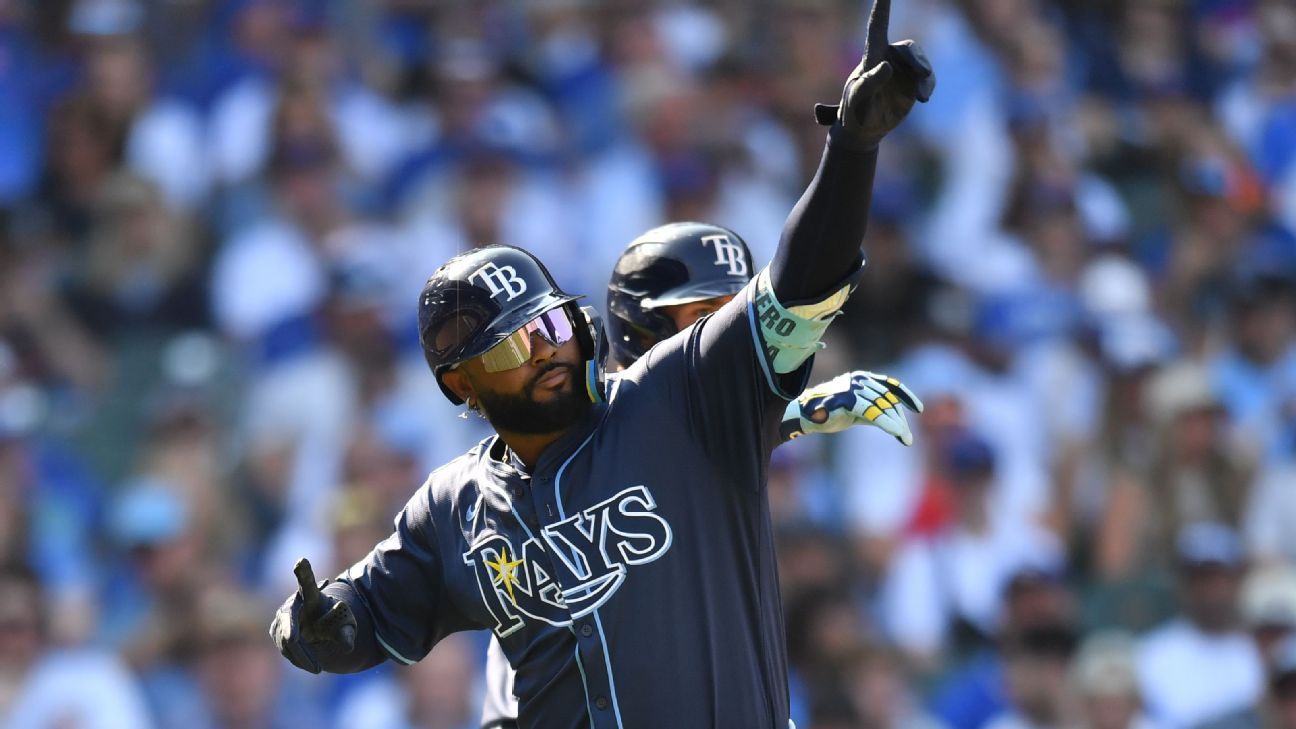
An ESPN image caption singled out Tampa Bay Rays player Junior Caminero as a player whose future appears to be trending upward.
This story draws on original reporting from ESPN.com.