Fantasy football mistakes ESPN says can wreck a season
ESPN’s Tristan H. Cockcroft lists nine fantasy football mistakes to avoid in 2026, from draft panic to late-season waiver errors.
By Deshawn Carter · Sports Writer
3 min read
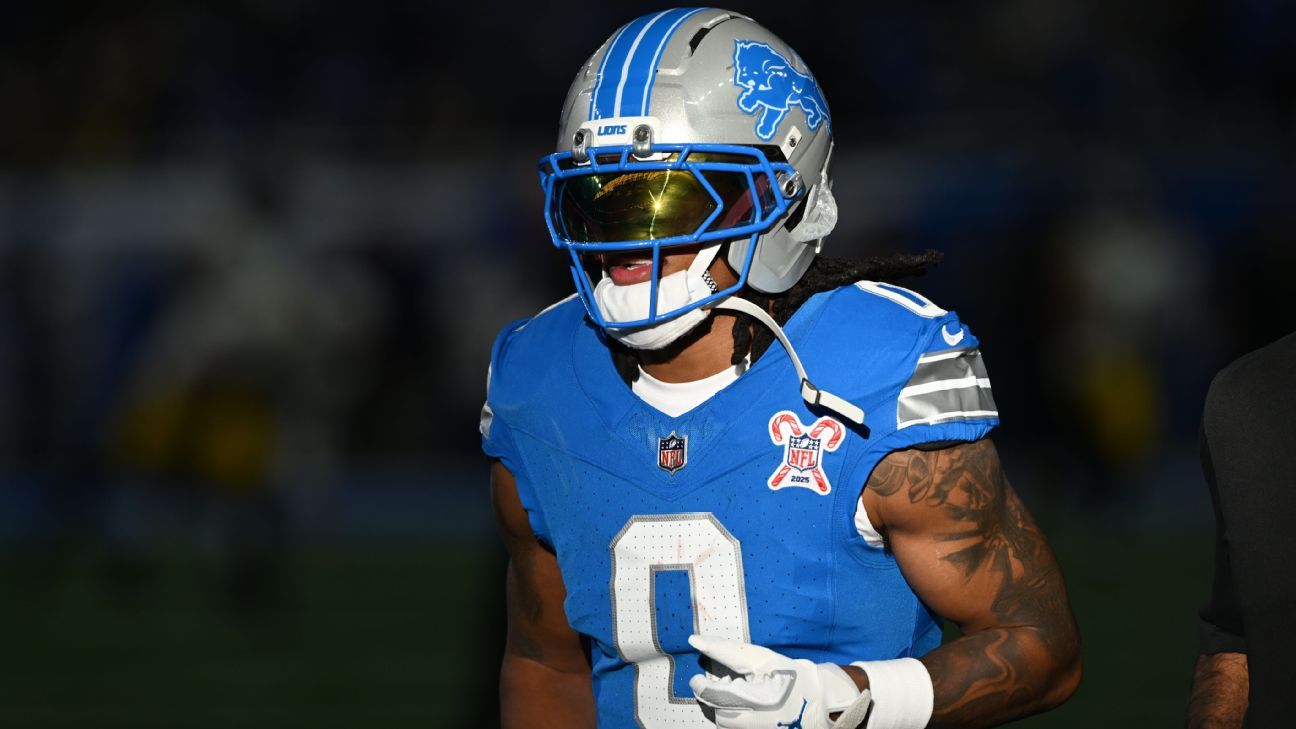
The fantasy football mistakes that ruin a season can start before Week 1 and linger all the way to the title game, according to ESPN senior writer Tristan H. Cockcroft, who laid out nine traps managers should avoid in 2026.
Cockcroft, identified by ESPN as an FSWA Hall of Famer and multiple-time LABR and Tout Wars champion, framed the list as guidance for experienced managers as much as beginners. His main warning: bad habits, herd thinking and overreactions can bury a roster even when the draft starts well.
What are the biggest fantasy football mistakes to avoid?
ESPN’s list starts with recency bias. Cockcroft pointed to Emeka Egbuka’s 102.4 fantasy points in his first five games, the third-highest opening five-game total by a rookie wide receiver, before 42 wideouts outscored him after that stretch. He also cited Travis Etienne Jr., who struggled in 2024 with 812 yards and two touchdowns in 15 games, then returned to a top-10 running back finish the next season.
His advice is to weigh a player’s larger body of work, current role and upcoming matchups rather than reacting to one hot streak or one bad year.
Draft rooms get their own warning. Cockcroft said managers can get pulled into position runs, such as a rush on quarterbacks, and end up paying for the fifth-best option at a spot while passing on stronger weekly help elsewhere. He said that temptation can signal poor planning or a lack of fallback targets.
Running back insurance is another sore spot. ESPN’s analysis of 34 backup running backs over the past five seasons found that only 10 outscored the starter drafted ahead of them. Those backups averaged 3.2 starts, compared with 12.9 for the starters. Cockcroft argued managers should chase the best upside backs, not automatically draft the backup to their own star.
How should managers handle bye weeks and roster spots?
Cockcroft said managers often care too much about bye weeks on draft day and too little once the season begins. He treated timing as the key detail, noting that a Week 6 overlap can create more trouble than a Week 14 overlap because rosters have more time to change later in the season.
He also gave a practical limit for stacking players with the same bye: no more than five, excluding kicker and defense. For those two spots, he said managers usually should drop them and add replacements during the bye.
One of the more surprising recommendations: do not prioritize defense over kicker. Cockcroft wrote that long-distance kicking has changed the old approach, citing Ka’imi Fairbairn’s 12.7 fantasy points per game and Jason Myers’ 11.5 last season as two of the top four single-season marks. He also noted that the top-drafted defense has not finished first in scoring in 13 years.
- Do not draft players mainly to trade them later, because trades require another manager to agree.
- Do not hold struggling players too long if role, skill indicators and usage do not support patience.
- Do not put Thursday or early-game players in the flex, since later flex options give managers more replacement choices.
- Do not lose track of waiver position or FAB, short for Free Agent Budget, during the stretch run.
In FAB leagues, managers use a set budget to bid on free agents. Cockcroft said contenders should know their rivals’ remaining budgets and roster needs, especially when blocking an opponent from a key pickup could matter.
ESPN’s final note was a lighter bonus from Cockcroft, credited to Ron Shandler: fantasy winnings should be spent generously on a significant other after a long championship run.
This story draws on original reporting from ESPN.com.