Fantasy football quarterback draft: Dave Richard says hunt for QB steals
CBS Sports' Dave Richard says 2026 drafters should wait for QB value, with rushing, depth and league size shaping the plan.
By Deshawn Carter · Sports Writer
3 min read
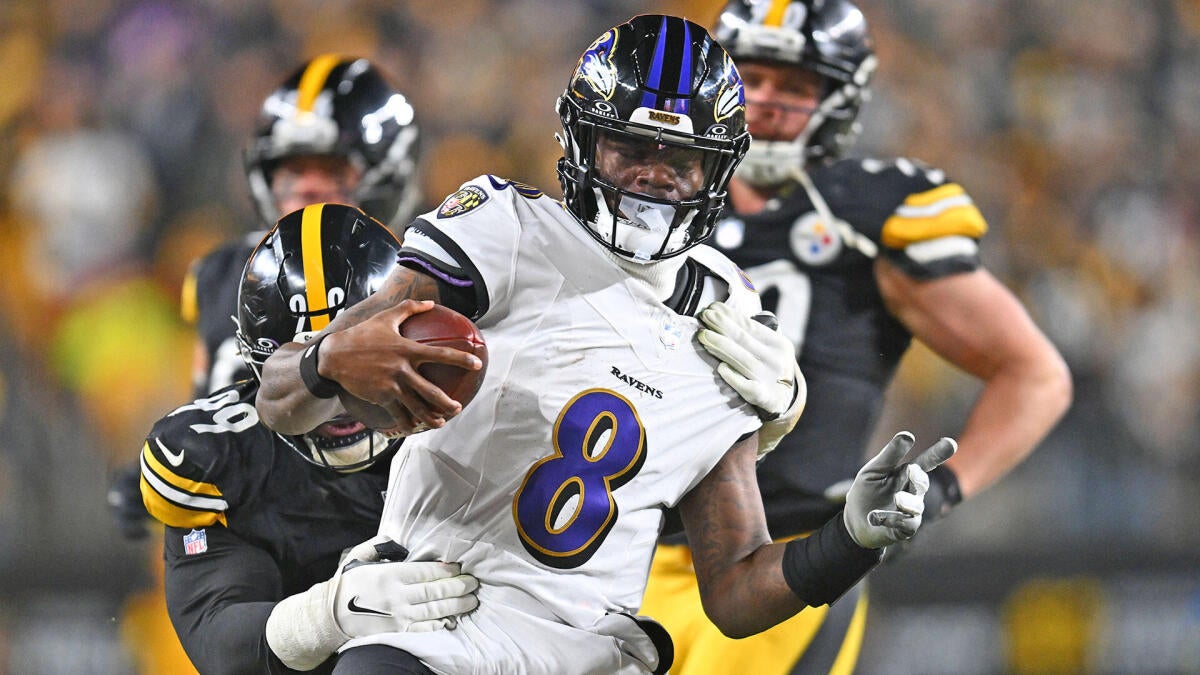
CBS Sports analyst Dave Richard is telling 2026 managers to treat the fantasy football quarterback draft like a value hunt: grab a starter when a strong option falls farther than expected.
Richard wrote that his advice has shifted from 2024 and 2025, when he favored taking a high-end quarterback at a good price rather than waiting. For 2026, he says the position is deep enough that many quarterbacks have a credible path to a top-five fantasy finish, especially in 10- and 12-team leagues.
His headline advice is blunt: do not reach just to secure the position. If a top option is sitting there at an obvious discount, take the gift.
When should I draft a quarterback in fantasy football?
Richard’s answer depends on how many quarterbacks a manager would be comfortable starting in Week 1. He says the wait-for-value plan only works if a drafter can identify at least 14 quarterbacks they would accept as an opening-week starter.
If that comfort level is not there, Richard recommends taking a quarterback at fair market value and avoiding a pick well ahead of average draft position. In smaller leagues of 10 teams or fewer, he says he would be more willing to consider an early quarterback because the drop-off at other positions is less severe on draft day.
Richard named Josh Allen and Lamar Jackson as easy elite options to trust. He also listed Trevor Lawrence, Matthew Stafford, Jared Goff and Jordan Love as examples of fringe starters some managers may or may not feel comfortable using.
Week 1 matchups can also change the call. Richard pointed to Brock Purdy facing the Rams in Australia, Patrick Mahomes facing Denver and Bo Nix playing at Kansas City as situations that could make managers hesitate if those quarterbacks are their only option.
What does Richard look for in a fantasy quarterback?
Richard’s checklist starts with rushing, which he says can separate fantasy quarterbacks in a big way. A runner near the top of the rankings can carry extra value even if other parts of the profile are not perfect.
- A quarterback who adds rushing production.
- Accuracy to different areas of the field.
- At least two reliable pass-catchers.
- A pass-friendly offense, especially near the goal line.
- An offensive line that is not a major problem.
- A realistic shot at 22-plus points in six-point passing touchdown leagues, or 18-plus in four-point leagues.
Richard says four-point touchdown scoring gives rushing quarterbacks even more value because passing scores count for less. He cited Stafford as nearly 5.5 points per game worse in four-point formats than in six-point formats, compared with Allen at nearly three points worse and Jaxson Dart at barely two points worse.
Should fantasy managers draft two quarterbacks?
Richard says league size should drive that decision. In leagues of 10 teams or fewer, he expects the waiver wire to offer enough quarterback cover. In 14-team leagues, he says taking a backup makes more sense because fewer useful passers will be available.
For 12-team leagues, Richard says managers should watch the room. If several teams are drafting two quarterbacks, securing a backup becomes more appealing. If most teams stop at one, that roster spot may be better spent on a sleeper at another position.
There is one exception in his plan: if a second quarterback with high upside falls too far, Richard says it is fine to pounce. He singled out Mahomes as a 2026 value if he lasts beyond pick 110, and also mentioned Kyler Murray and Malik Willis as late-round upside plays.
Bye weeks are a smaller concern, according to Richard, but not irrelevant. He says managers should avoid drafting two quarterbacks with the same bye week and can plan backups around early or late byes.
This story draws on original reporting from CBS Sports.