FIFA World Cup changes get mixed ESPN grades after 2026 shake-up
ESPN’s Bill Connelly praised the 48-team field but ripped ticket pricing after 6.8 million fans bought seats at the 2026 World Cup.
By Georgia Hale · Staff Writer
3 min read
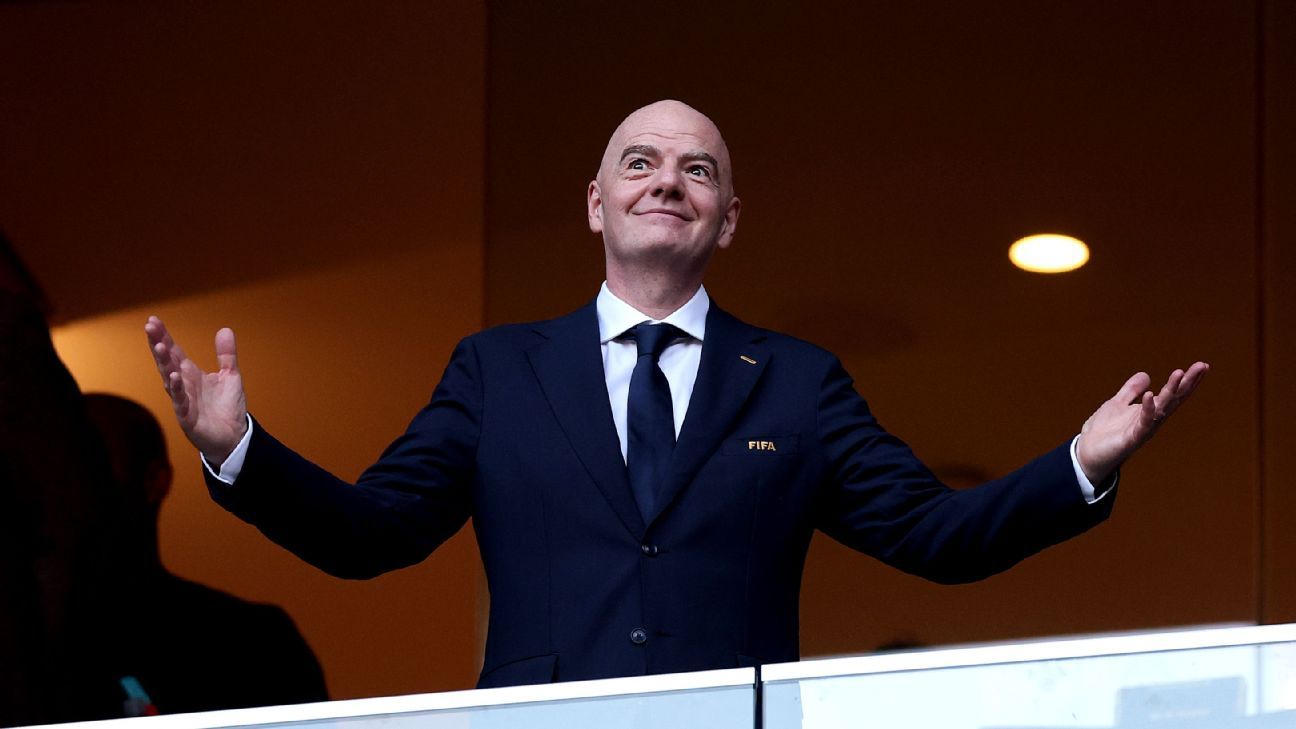
The FIFA World Cup changes rolled out in 2026 earned a split verdict from ESPN’s Bill Connelly: expansion brought better stories, the 48-team format brought odd group-stage math, and dynamic ticket pricing brought a very rich payday.
Connelly, writing for ESPN after the tournament, reviewed several major shifts at the first expanded World Cup since 1998. He said the event showed how much soccer is changing, from tournament size to hydration breaks and tiebreaker incentives.
What FIFA World Cup changes did ESPN grade?
ESPN’s review focused on the move to 48 teams, the structure that sent 32 teams into the knockout rounds, dynamic ticket pricing and hydration breaks. Connelly said he was leaving aside changes to VAR because its use keeps changing and because, in his words, he did not enjoy discussing it.
On expansion itself, Connelly gave FIFA its highest mark: A+. He argued that fears of a blowout-heavy tournament did not hold up, even after Germany beat debutant Curaçao 7-1 early in the competition.
ESPN pointed to several examples of expanded access paying off on the field. Congo DR drew with Portugal in the group stage and tested England in the knockouts, according to Connelly. Curaçao took a point from Ecuador, a team ESPN said later beat Germany. Cape Verde reached the knockout rounds and nearly eliminated defending champion Argentina, Connelly wrote.
Two other first-timers, Jordan and Uzbekistan, had less success, according to ESPN. Connelly’s larger point was that a bigger World Cup created more underdog runs and more teams for fans to learn about.
Why did the 48-team format cause complaints?
The number 48 created a clunky bracket, according to Connelly. With 12 groups of four and 32 knockout spots, two-thirds of third-place teams advanced, which made the final group matches less tense than they could have been.
ESPN said teams with three points and a positive goal difference moved on, and only two teams won a match but failed to advance. Connelly wrote that the low bar made draws attractive for many teams on the final group matchday.
Still, he called the 12-groups-of-four setup better than FIFA’s earlier idea of 16 groups of three, which would have given teams only two group games. He gave the 48-team logistics a B.
Connelly also noted that FIFA is considering a 64-team World Cup, with 16 groups of four and the top two from each group advancing. ESPN said the 2030 hosting plan includes centenary matches in Argentina, Paraguay and Uruguay before the tournament shifts to Spain, Portugal and Morocco, a structure Connelly said could make a larger format workable.
How did dynamic ticket pricing play out?
Dynamic pricing got the harshest review. Connelly gave it a D-, saying FIFA priced tickets as aggressively as buyers would tolerate after president Gianni Infantino described the tournament as “104 Super Bowls.”
ESPN reported that the strategy still worked commercially. Fans bought 6,810,966 tickets, an average of 65,490 per match. Connelly said that was 22% more per game than any World Cup since the 1994 tournament in the United States, although 1994 venues had 8% more capacity and the 2026 event had twice as many matches.
Hydration breaks also drew scrutiny. Connelly wrote that breaks make sense in extreme heat for player welfare, but having them in every match, including indoor, cool or rainy games, was new. ESPN linked the policy to an American-style rhythm of more stoppages and more commercial opportunities, while noting boos were common when teams left the field for the breaks.
This story draws on original reporting from ESPN.com.