Infantino World Cup critics blast follows visa and Balogun rows
Gianni Infantino accused World Cup critics of spreading hate after controversy over U.S. visas, ticket pricing and Folarin Balogun.
By Georgia Hale · Staff Writer
3 min read
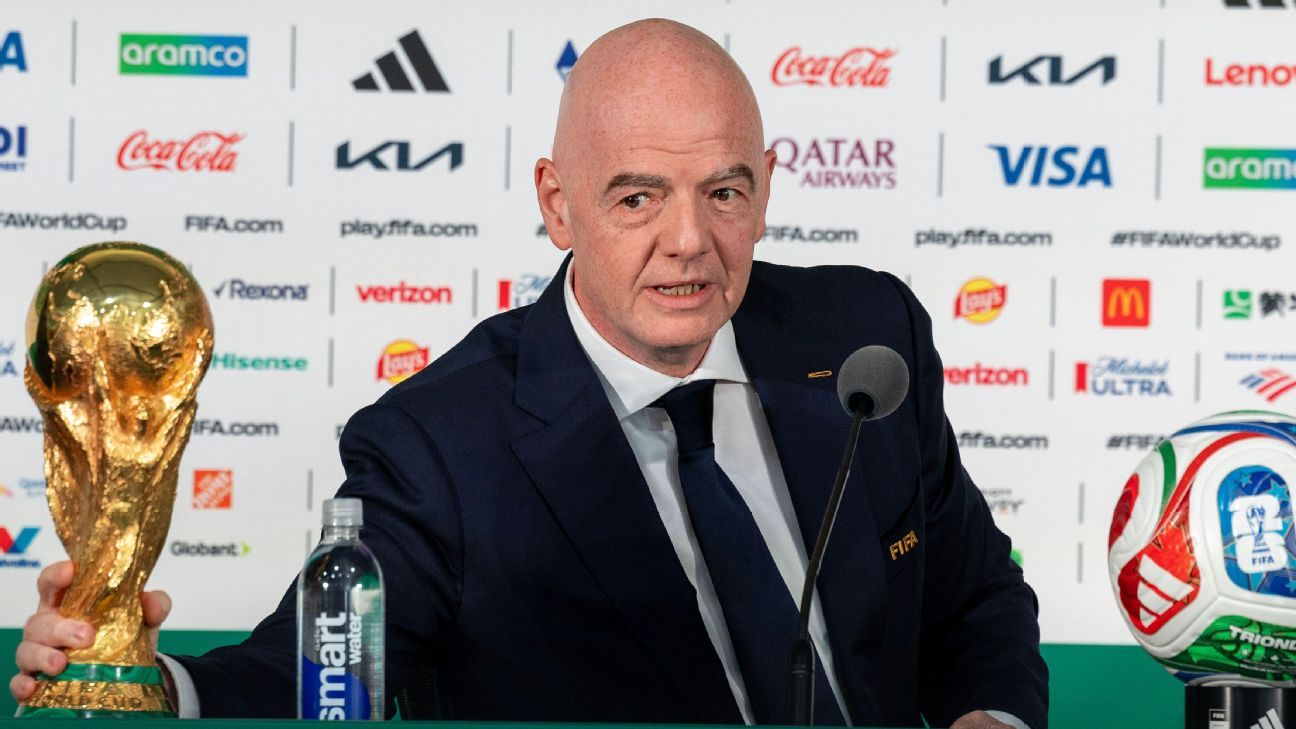
Gianni Infantino World Cup critics got a full-force reply after the 2026 tournament, with the FIFA president accusing detractors of spreading hate and false rumors in a long message posted to his Instagram account and FIFA’s official channels.
Infantino defended FIFA’s running of the tournament and said critics had failed to see the joy around the event. His comments came after a World Cup marked by disputes over U.S. visa restrictions, investigations into ticket pricing and a disciplinary decision involving United States striker Folarin Balogun.
In the post, Infantino said people who had criticized FIFA should “reflect, meditate, pray, or watch a football match.” He also aimed part of his message at people working “behind their pens and papers” and “behind their screens,” language that appeared to target journalists and online critics.
Why did Gianni Infantino criticize World Cup critics?
Infantino said critics focused on controversy while missing what he described as the tournament’s togetherness. He claimed FIFA had delivered the “best show in the world” and said football had united fans across Canada, Mexico and the United States.
The FIFA president said the World Cup had seven million attendees from more than 200 countries. He also claimed the tournament had “no violence, no incidents” and “100% safety and security,” while thanking the host governments, police forces and volunteers.
The 2026 World Cup was played across 16 cities and stadiums in Canada, Mexico and the United States, according to Infantino’s statement.
Visa restrictions became a major flashpoint
One of the biggest arguments around the tournament involved U.S. travel rules. ESPN News Services reported that restrictions affected supporters and officials from several competing nations, including Iran, Haiti, Senegal and Ivory Coast.
Somali referee Omar Artan was also unable to enter the United States after he was denied a visa, ESPN News Services reported.
Infantino pushed back on that criticism by saying critics had focused on “the few people denied visas” while ignoring what he described as millions of approvals from around the world. He said Iran entered the United States without conflict and argued that football was about peace rather than politics.
The Balogun decision drew political pressure claims
Infantino also appeared to address anger over disciplinary decisions, though he did not name Balogun directly in that part of the statement.
Balogun had been sent off against Bosnia and Herzegovina and faced an automatic one-match ban. FIFA later suspended that ban, making him eligible to play against Belgium.
U.S. President Donald Trump later said he had spoken with Infantino about Balogun’s case before FIFA confirmed the player could face Belgium. FIFA has said its independent disciplinary committee made the ruling.
The decision led to accusations of political interference from UEFA, the Belgian Football Association and European lawmakers, according to ESPN News Services. The Norwegian Football Federation has said it plans to file a formal complaint with FIFA over Trump’s role in the matter.
In his post, Infantino said disputed referee calls and unusual disciplinary rulings are common in some major leagues, including later decisions not to ban players in some situations. He said it was “curious” that countries where such practices occur were criticizing FIFA.
FIFA boss ends with a unity pitch
Infantino ended the message by urging critics to show more respect for teams, countries, traveling fans and children who dream of playing the game.
He said FIFA was proud after seeing what he called moments of love, joy and unity. His closing line called for football to rise above hate.
This story draws on original reporting from ESPN.com.