Pablo López stands alone as MLBPA’s Latino voice in player leadership
ESPN reports the Twins pitcher is the only Latin American among 38 MLBPA player leaders as CBA talks heat up.
By Georgia Hale · Staff Writer
3 min read
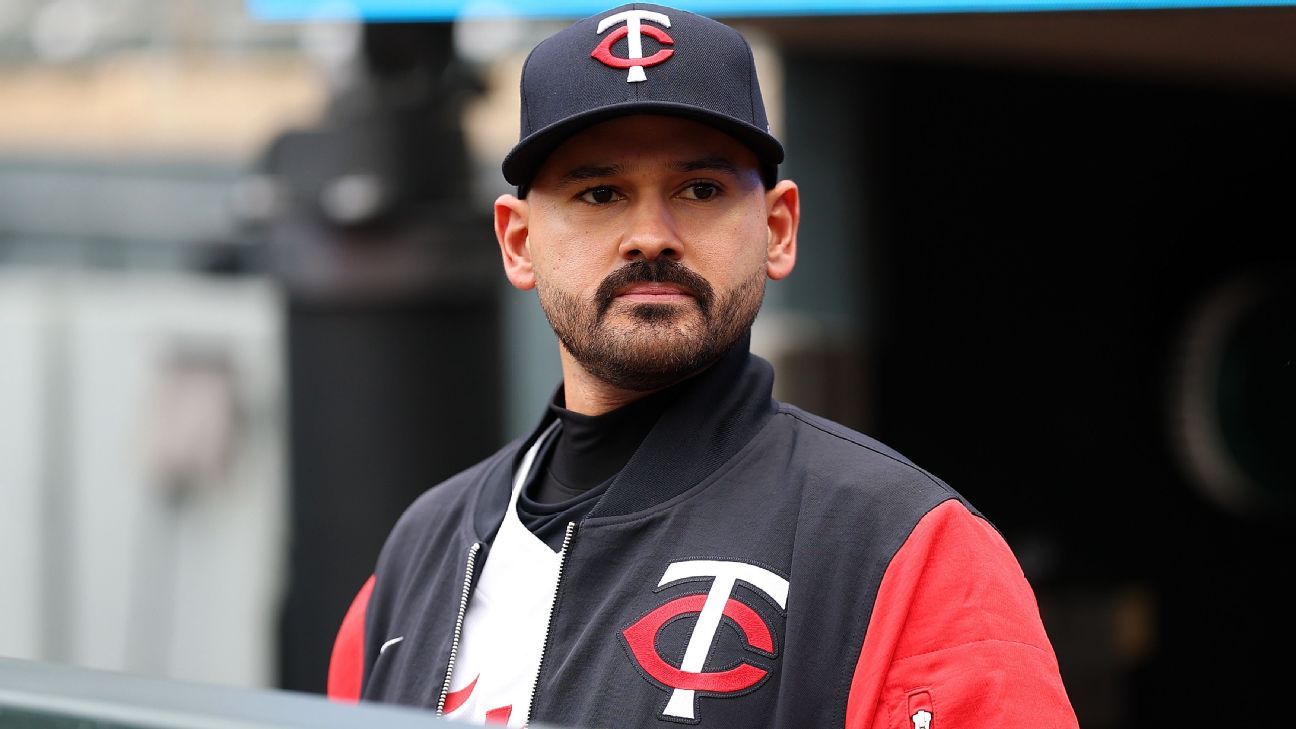
Minnesota Twins right-hander Pablo López is carrying a rare briefcase this year: he is the only Latin American player among the Major League Baseball Players Association’s 38 player leadership posts, according to ESPN.
The gap is sharp because Latin American players made up more than a quarter of MLB’s 30 active rosters on Opening Day, ESPN reported. The union’s player leadership includes an eight-player executive subcommittee and one representative from each of the 30 clubs.
López, 30, is the Twins’ player representative. Born and raised in Venezuela, he is fluent in English and handles interviews easily, but he told ESPN the legal and technical language in union calls can still trip him up.
When he misses a term, López said he writes it down, translates it later or waits for the MLBPA to issue Spanish-language material. He gave ESPN one example: “I didn’t know what the word ‘accrued’ was.”
The timing gives his role extra weight. López has not pitched this season after Tommy John surgery in February, and ESPN reported he is not expected back until at least 2027. The current collective bargaining agreement expires Dec. 1, and ESPN reported owners are expected to impose a lockout.
López told ESPN that being the lone Latin American in that group adds responsibility because players need “to be on the same page about everything.”
International draft fight looms
The labor talks include a proposal that would directly affect baseball’s Latin American pipeline. ESPN reported that MLB recently offered a 12-round international draft alongside a 12-round domestic draft.
Under that proposal, international amateurs would have to be 18 to join an organization, up from 16, according to ESPN. Picks would be hard-slotted, with an initial signing-bonus pool of $200 million for 360 players outside the United States, Canada and Puerto Rico.
MLBPA interim executive director Bruce Meyer blasted the plan on a call with reporters, calling it “just horrendous,” according to ESPN. Meyer said the proposal would reduce money for international entrants, delay their entry and wipe out a year of international signings.
ESPN reported that an international draft would land differently across Latin America because countries vary in education systems, economic conditions and baseball infrastructure. In Venezuela and the Dominican Republic, trainers known as buscones can identify and train prospects, work as intermediaries with MLB clubs and take as much as 50% of a player’s signing bonus, according to ESPN.
Union says it is listening
The MLBPA told ESPN that Latin American players’ views are being heard. Union officials pointed to retired Latino players in player services roles, Spanish-speaking staff in team meetings, real-time interpretation, Spanish presentation materials and audio notes through messaging apps such as WhatsApp.
Union officials also told ESPN they hope the minor league ranks will help build a bigger future leadership pool. ESPN reported there are currently five Latino minor league player representatives and 18 Latino alternate player representatives.
The officials acknowledged the union would benefit from more Latin American players in leadership, ESPN reported, while saying representation must grow organically because the union cannot legally set quotas.
In a statement ESPN said the MLBPA referred to, Meyer said the union represents players from nearly 18 countries and regularly seeks input from members “at all levels and backgrounds,” including on international issues.
Dodgers infielder Miguel Rojas, a Venezuelan-born veteran who served as the Marlins’ player representative during the previous labor cycle, told ESPN Latino players need a bigger voice in the union. He also said the players themselves have to want those roles.
Mets star Juan Soto told ESPN in Spanish that labor language is difficult because it moves beyond baseball terms into negotiation terms. He said former major leaguers employed by the union, including Carlos Gomez and Francisco Cordero, keep him updated on talks.
This story draws on original reporting from ESPN.com.