Spain’s second World Cup star came after storms, Brady and a late winner
Spain beat Argentina 1-0 after extra time at MetLife Stadium, with ESPN’s Graham Hunter detailing a tense, strange final 48 hours.
By Georgia Hale · Staff Writer
3 min read
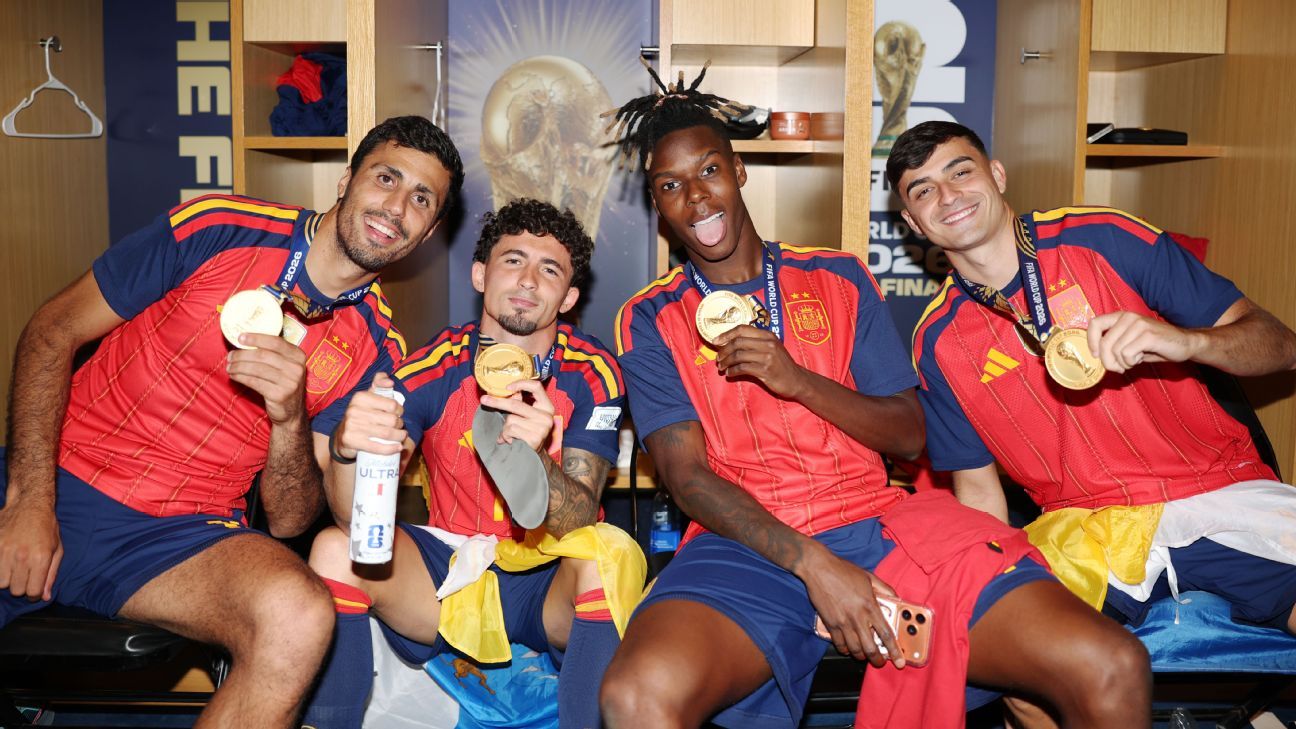
Spain’s second World Cup star was secured in New Jersey with a 1-0 extra-time win over Argentina, but ESPN’s Graham Hunter reported that the two days before the final were anything but routine.
The 2026 FIFA World Cup final at MetLife Stadium ended with Spain on top after extra time, according to ESPN’s match listing. Hunter wrote that the buildup took the squad from Manhattan media duties to a storm-hit training session, a rooftop gathering with family, and then celebrations bound for Madrid.
A captain, a river and a helicopter ride
On the Friday before the final, Spain captain Rodri attended pre-match media duties at the Javits Center in Midtown Manhattan, where Hunter said he looked out over the Hudson River near the stretch where US Airways Flight 1549 was landed by Chesley “Sully” Sullenberger in 2009 after a bird strike.
Hunter reported that Rodri was struck by the story of all passengers and crew surviving, then later returned to Spain’s base in Montclair by road with a police escort.
Spain coach Luis de la Fuente took a different route. According to Hunter, De la Fuente and staff members, including football director Aitor Karanka, left Manhattan by helicopter toward Newark after being greeted during the day by figures including Novak Djokovic, Kevin Hart and Lionel Messi.
At the private terminal, Hunter wrote, Tom Brady waited to speak with De la Fuente. The former NFL quarterback’s message, according to Hunter, was: “Good luck, man. Go f--- them up!”
Lightning wrecked Spain’s training plan
Saturday brought trouble. Hunter reported that Spain’s squad left their hotel on Bloomfield Street to train at the New York Red Bulls facility in East Hanover, with fans outside calling for autographs and shouting support for La Roja.
Once there, worsening weather stopped the session. Security staff ordered media back inside as thunder and lightning approached, following local safety protocols, according to Hunter.
Spain’s players and staff initially wanted to continue, Hunter wrote, but eventually accepted the decision. He said the point was settled when lightning struck near the route from the locker room tunnel to the pitch, sending players back inside and ending the session.
The rest of the day was calmer. Hunter reported that some players gathered in a third-floor hotel suite turned into a hairdressing area, while about a dozen watched England play France in the third-place match. Later, he said, several players spent time at a rooftop bar with relatives and partners, without drinking alcohol.
Ferran Torres had his moment
After the final, Hunter reported a mood similar to Spain’s title-winning dressing rooms from the 2010 World Cup and Euro 2012: emotional at first, then composed, with players treating the achievement as the job they had come to finish.
Hunter said he interviewed Ferran Torres on the pitch about his goal. Torres told him: “I didn’t really think about it, I just hit it with all the power of the Spanish people.”
Hunter also described Torres, Marcos Llorente and Marc Pubill as early-rising “sunshine boys” during the tournament, saying they made a habit of watching sunrise in cities including Chattanooga, Atlanta, Guadalajara, Dallas, Los Angeles and Montclair.
After the medal ceremony, Hunter reported brief celebrations with Spain players and staff, including Pedri, Gavi, the team doctor and Borja Iglesias. The team then headed for Newark and a return to Madrid, where Hunter said crowds lined the streets to welcome the new world champions.
This story draws on original reporting from ESPN.com.