USMNT best athletes soccer theory runs into a size problem
ESPN’s Bill Barnwell says NFL and NBA stars would boost the USMNT, but soccer’s top creators are usually smaller.
By Deshawn Carter · Sports Writer
3 min read
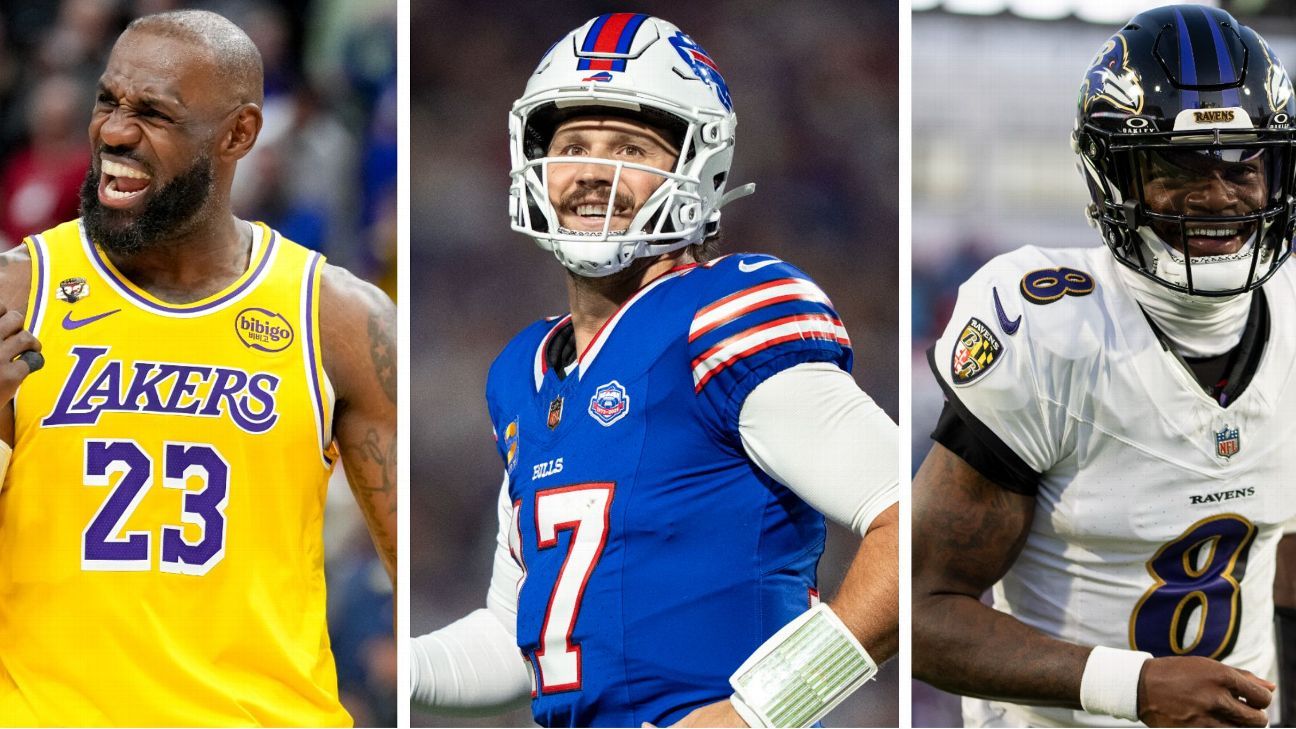
The USMNT best athletes soccer argument has a fresh reality check: ESPN’s Bill Barnwell says America’s top NFL, NBA and MLB bodies would help the national team, but they would not automatically turn it into a World Cup bully.
Barnwell, ESPN’s senior NFL writer, examined the familiar claim that the United States would dominate men’s soccer if its most gifted athletes chose the sport from childhood. His conclusion was measured: a deeper pool of elite athletes would improve the USMNT, but the sport does not reward size and power in the same way American football and basketball often do.
His sharpest example is Lionel Messi. ESPN lists Messi at 5-foot-7 and 148 pounds, a frame that would be a problem in many American sports but has helped him in soccer, where balance, short-area movement and tight control matter.
Barnwell noted that other all-time attacking stars also sit far from the linebacker mold. Diego Maradona was listed at 5-foot-5 and 160 pounds, Ronaldinho at 5-foot-10 and 172 pounds, and Kylian Mbappé at 5-foot-10 and 163 pounds.
Would the USMNT win with America's best athletes?
Barnwell’s answer is no guarantee. Soccer needs different athletic traits by position, and the players who create chances are often smaller than the stars many fans imagine switching sports.
Using ESPN FC’s most recent top-100 player rankings, Barnwell found a split by role. Goalkeepers, center backs and central forwards averaged 6-foot-2 and more than 183 pounds. Fullbacks, midfielders and wingers averaged 5-foot-11 and just above 160 pounds.
That matters because the most eye-catching U.S. sports stars tend to be much bigger. Barnwell wrote that LeBron James and Kevin Durant are extraordinary athletes, but argued it is hard to assume their basketball gifts would carry over to elite soccer.
He also pointed to the big five European leagues: England, France, Germany, Italy and Spain. According to his analysis, only four outfield players who were 6-foot-6 or taller played more than 600 minutes last season. The same filter produced two players in 2019-20 and five in 2014-15.
The creator numbers were even tougher on the tall-guy fantasy. Across the 2025-26, 2019-20 and 2014-15 seasons, Barnwell found 33 cases of players reaching at least 10 assists in the big five leagues. Their average height was 5-foot-10, and only Cristiano Ronaldo, listed by ESPN at 6-foot-2, reached that height.
With a wider cutoff of 50 chances created, 15 of 267 qualifying players were 6-foot-2 or taller, while 27 were 5-foot-7 or shorter. Barnwell also wrote that players 6-foot-2 and up accounted for about 22% of minutes in the seasons he studied, but only about 12% of assists, chances created and successful dribbles.
What does the flag football example show?
Barnwell used a March flag football event as a warning against assuming stars can swap games with ease. The U.S. men’s flag football team beat teams featuring current and former NFL players, including Saquon Barkley, Jalen Hurts, DeVonta Smith, Patrick Peterson, Luke Kuechly and Tom Brady, winning three games by a combined 106-44.
According to Barnwell, 10 of the 12 flag players were 5-foot-11 or shorter, captain Darrell Doucette was 5-foot-7, and only one player topped 6 feet. His point: even a sport close to tackle football can favor a different body type.
Barnwell also cited this year’s World Cup size data. Norway had the largest minutes-weighted team at an average of 6-foot-3 and 182 pounds, while Bosnia, the Netherlands and Germany were among bigger teams that exited relatively early. Argentina had the shortest team, and Spain ranked slightly below average at 30th in height and 26th in weight.
The takeaway from ESPN’s analysis is tidy enough for the barstool debate: better athletes would help the USMNT, but soccer is not a casting call for the biggest and fastest Americans. The ball still has a vote.
This story draws on original reporting from ESPN.com.