Alaska model says underarm lump led to aggressive breast cancer diagnosis
Alison McCullough told CBS News she found the lump while shaving before New York Fashion Week and later sought treatment in Arizona.
By Frankie Delgado · News Reporter
3 min read
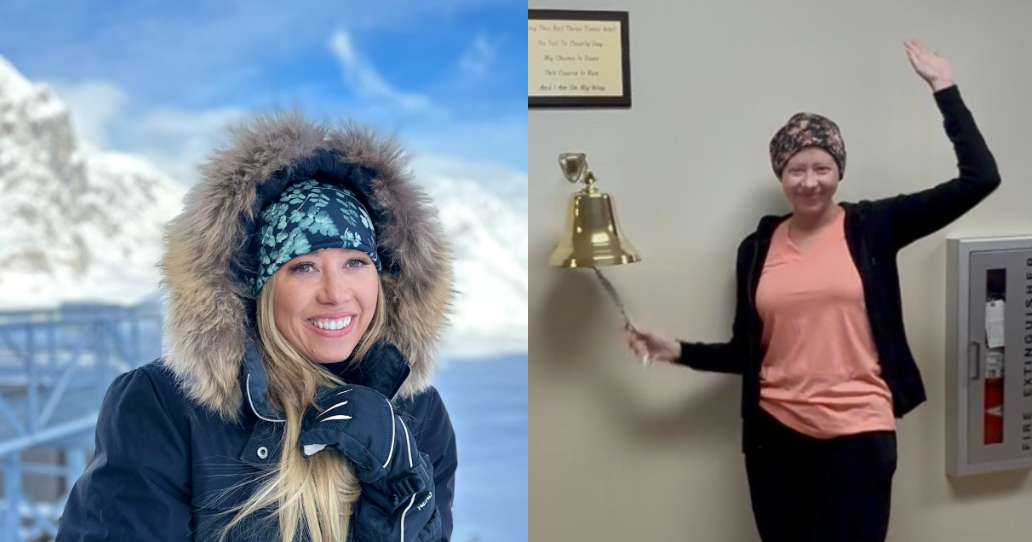
Alison McCullough was training for a New York Fashion Week appearance when a small lump under her arm changed everything.
The Alaska model told CBS News she noticed the lump while shaving, after months of working on her fitness ahead of a September 2025 runway booking. McCullough, then 39, said she knew her body well enough to be concerned.
Getting answers was not quick. According to CBS News, a mobile mammogram provider would not screen her because she was not yet 40, the age at which the American Cancer Society recommends women begin regular mammograms. She then needed a referral from her primary care provider, but the appointment wait was long and options in Alaska were limited.
McCullough said she felt she had to clear multiple steps while worrying that time mattered. Nearly two months after she first found the lump, she was diagnosed with an aggressive breast cancer.
A harder diagnosis than expected
McCullough told CBS News each update seemed to bring worse news: the cancer was invasive, she had the BRCA-2 gene, and the tumor was triple-negative, a type that can be tougher to treat.
Dr. Erica Mayer, director of breast cancer clinical research at Dana-Farber Cancer Institute, told CBS News that triple-negative breast cancer makes up about 10% to 15% of breast cancer cases. Mayer was not part of McCullough’s treatment.
Mayer explained that triple-negative cancers lack estrogen receptors, progesterone receptors and HER2 receptors. Because those markers are absent, many targeted treatments are not available, though patients may receive chemotherapy, radiation, surgery, immunotherapy or antibody drug conjugates.
Mayer said newer treatments mean patients are doing better than in the past and have a better chance of being cured.
McCullough still faced another delay. CBS News reported that the infusion center where she had been expected to start chemotherapy could not see her for more than a month. After the wait for a diagnosis, she and her husband began looking outside Alaska.
A fast trip to Arizona
McCullough contacted City of Hope’s Phoenix office on a Friday, expecting a wait. She told CBS News the organization responded within hours and said its team could meet with her the following Wednesday if she could get there.
Two days later, McCullough and her husband flew to Arizona. The City of Hope team agreed with the treatment plan created by her Alaska oncologist, CBS News reported. McCullough said having appointments in one place was a relief compared with driving through snow and ice for care back home.
She began treatment within days. Her six-month course included two kinds of chemotherapy. McCullough said the first three months brought few side effects, while the next three months slowed her down.
She told CBS News that being immunocompromised was difficult to understand at first, but she stayed with the treatment. She said her pre-Fashion Week strength helped as she moved into cancer care.
Cancer-free and back home
McCullough completed chemotherapy in March, which she described to CBS News as a major milestone. To reduce the risk of the cancer returning, doctors recommended a double mastectomy, and she had the surgery in late April.
She had been told she might still need radiation or long-term oral chemotherapy. In May, however, her oncologist told her she was cancer-free.
The news allowed McCullough to begin reconstructive surgery. CBS News reported that she returned to Alaska in early June, in time to celebrate her son’s 12th birthday.
McCullough said her focus now is family, recovery and eventually getting back to the gym. She also told CBS News she sees fashion shows and pageantry in her future again, with hopes of using the runway to share her story with others looking for hope.
This story draws on original reporting from CBS News.