ICE electric shock gloves are proposed in DHS purchasing plan
DHS has outlined a possible purchase of shock-capable gloves for ICE, but no contract or field deployment has been confirmed.
By Georgia Hale · Staff Writer
3 min read
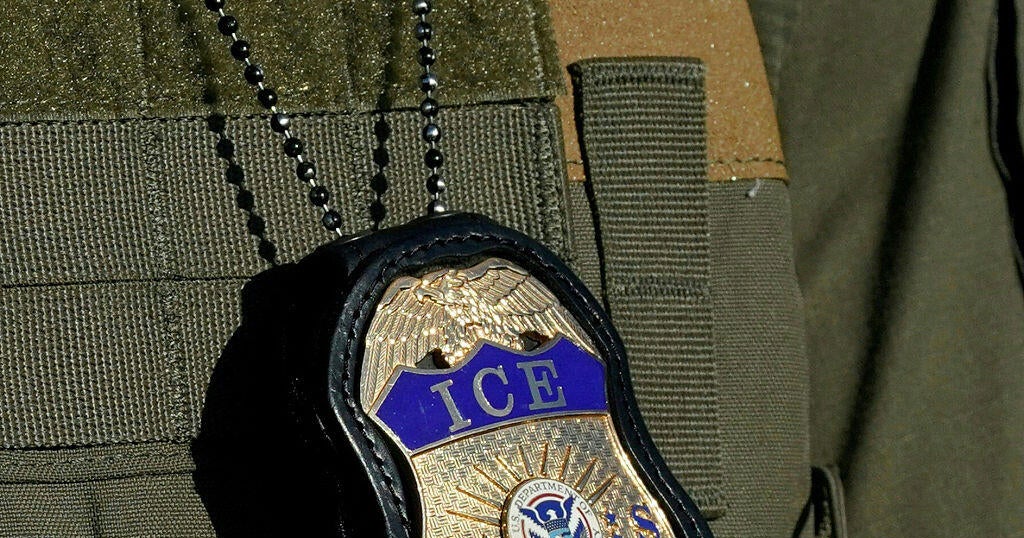
ICE electric shock gloves are part of a proposed Department of Homeland Security purchase, not a confirmed rollout to officers. A DHS notice says Immigration and Customs Enforcement plans to acquire thousands of the devices for officers and agents by March, with spending of up to $20 million, according to Associated Press reporting republished by PBS.
The notice says ICE could seek a no-bid contract, with the solicitation potentially published as early as Friday. The available reporting does not establish that a contract has been awarded, that the gloves have been bought or that ICE personnel are already carrying them.
What are ICE electric shock gloves?
The product is called the G.L.O.V.E., short for Generated Low Output Voltage Emitter. It is made by Compliant Technologies LLC of Lexington, Kentucky, and has previously been used by some jails and police departments, the AP reported.
Compliant Technologies says the equipment works as ordinary patrol gloves until an officer switches on its electrical setting. The company says the glove must touch bare skin to produce a pain stimulus intended to gain compliance.
Those are the manufacturer’s descriptions. The reports do not provide independent safety findings, ICE rules for use, or details of any oversight and reporting requirements that would govern the devices.
What limits does the manufacturer list?
Compliant Technologies says the gloves should not be used as punishment or solely against a person being verbally defiant or belligerent. It also says they should not be used on children, pregnant people, or elderly or disabled people.
The company says users must complete a training course and renew their certification every two years. Its chief executive, Jeff Niklaus, declined to discuss ICE’s prospective purchase when contacted by the AP. DHS said it was preparing a response to the news agency and did not offer immediate comment.
Supporters and critics split over possible use
John Peters, president of the Institute for the Prevention of In-Custody Deaths, told the AP the device can be effective when an officer encounters resistance. He said it could help officers remove uncooperative people from vehicles, homes or detention settings, and could shorten physical confrontations. Peters also said clear policies and training would be important.
Jenn Rolnick Borchetta, deputy project director on policing at the American Civil Liberties Union, questioned the need for such a device in civil immigration enforcement. She warned that people could be shocked without advance warning and raised concerns that ICE could misuse it.
The proposed purchase remains at the procurement stage. Key unanswered questions include the eventual number of gloves, the terms of any contract, and the specific ICE use-of-force standards that would apply if the devices are acquired.
This story draws on original reporting from CBS News.