Israel orders West Bank restrictions before Oct. 27 election
Israel’s military announced crossing closures and worker limits after a deadly Hebron checkpoint attack, days before the national vote.
By Frankie Delgado · News Reporter
3 min read
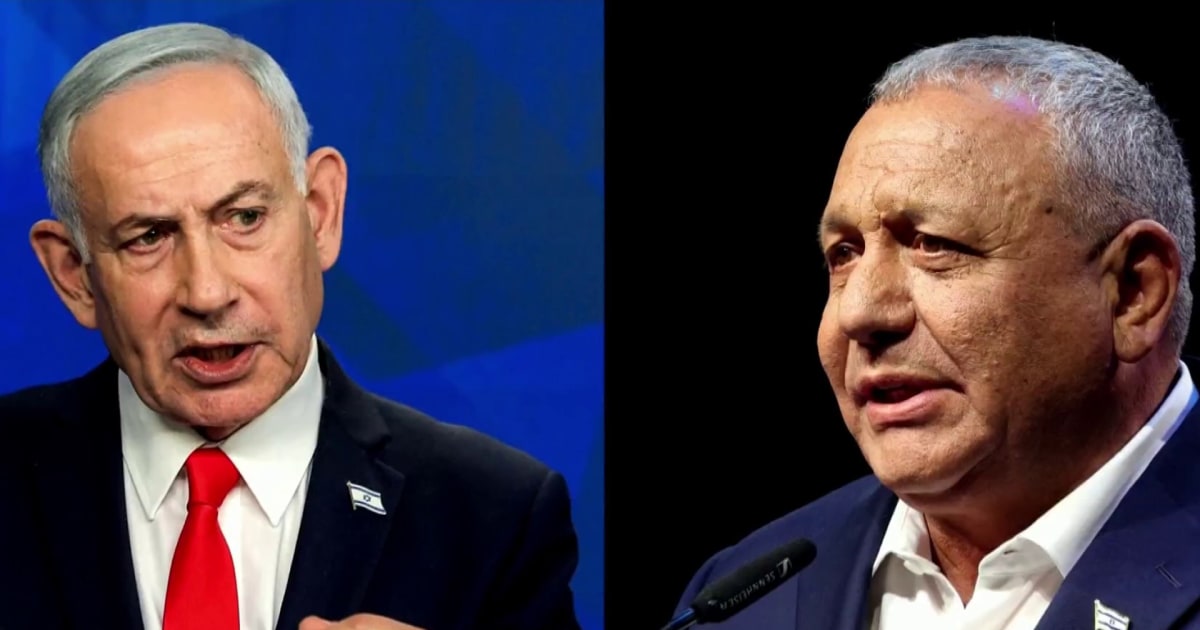
Israel’s West Bank election restrictions were set to widen on Tuesday, Oct. 27, when the military said it would close all land crossings during the national vote. The announcement followed a deadly checkpoint shooting near Hebron and an intensified Israeli operation in the occupied West Bank.
The Israel Defense Forces said Palestinian workers would be barred from entry and exit throughout Judea and Samaria and the Jordan Valley, including industrial zones, on election day, according to the BBC. The military also said most workers would be barred from settlements from Sunday, with exemptions for industrial zones and a limited number of other areas.
What restrictions did Israel announce before the election?
The measures combined a wider election-day closure with restrictions already affecting Hebron. The BBC reported that Israeli forces had cordoned off the city and heavily restricted residents’ movement before the worker rules were announced.
NBC News reported that Hebron Mayor Yousef al-Jabari said all entrances to the city had been sealed, making it impossible for people to enter or leave. That was the mayor’s account; the supplied reports do not include the underlying military orders.
The restrictions came after two Palestinian gunmen killed two Israeli soldiers at a checkpoint on Friday, the BBC reported. Three other soldiers were injured, and the gunmen were killed, according to the report.
What happened in Hebron after the checkpoint shooting?
Prime Minister Benjamin Netanyahu announced a major operation after the attack, the BBC reported. NBC News said Netanyahu told cameras that troops would enter neighborhoods from which the attackers had come, evacuate residents and go “house to house” to address threats.
He also said Israel would destroy what he called terrorist infrastructure while building settlement infrastructure, NBC reported.
Demolitions and displacement were reported during the operation. Israeli Defence Minister Israel Katz said about 2,000 residents had been displaced, according to the BBC. Separately, Israeli rights group B’Tselem said about 240 Palestinian families were forced from homes in Hebron’s Jildah and ‘Ein Deir Bahah neighborhoods on Friday and Saturday, NBC reported.
Those figures measure different reported groups and should not be treated as directly comparable totals. NBC also reported the demolition of Palestinian businessman Riyad Mureish’s home. Mureish said soldiers gave his family minutes to gather valuables and identification, and that a court order should have stopped the demolition.
Was the operation tied to Israel’s election?
The Oct. 27 vote was days away when the restrictions were announced, and NBC described Netanyahu as facing a difficult re-election contest. Al-Jabari alleged that the operation was driven by the election and aimed at winning support from far-right voters and settlers.
That motivation has not been established by the available reports. H.A. Hellyer of the Royal United Services Institute told NBC that the lockdown could project strength before the vote, but said the political connection was unclear because leading candidates broadly shared positions on the West Bank.
United Nations representatives criticized the closures’ effects. A U.N. spokesperson said they severely limited Palestinians’ movement, access to basic services and livelihoods, while an Office of the U.N. High Commissioner for Human Rights spokesperson described the lockdown as part of a pattern of collective punishment, NBC reported.
This story draws on original reporting from NBC News.