Striv smart insoles pair sensors with an AI running coach
CBS News reports that Striv’s sensor-equipped insoles give real-time form feedback, though evidence they prevent injuries was not provided.
By Georgia Hale · Staff Writer
2 min read
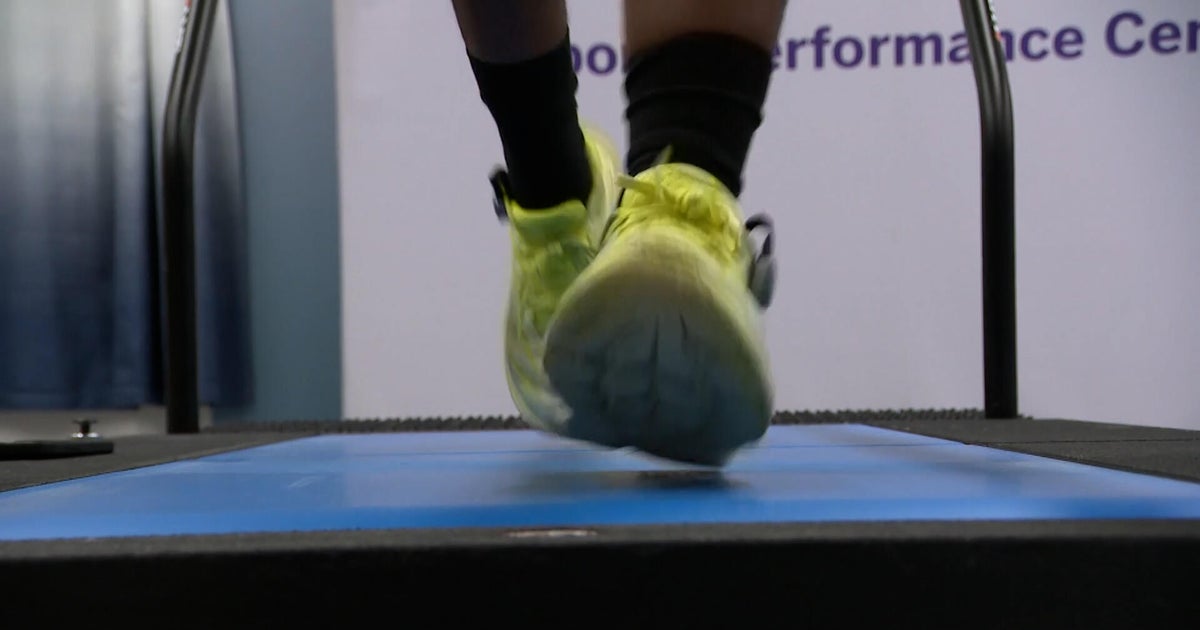
CBS News has reported on Striv smart insoles, a product that pairs sensors under a runner’s feet with real-time feedback from an AI coach. The company says the system could help avid runners avoid injury, but the reporting did not include clinical trial results or injury-rate data showing that it does.
Striv creator Axel Chen, a 28-year-old computer scientist, told CBS he developed the insoles after dealing with shin splints and ankle sprains. Chen had sought medical care for the pain, according to the report.
How do Striv smart insoles work?
The insoles contain hundreds of sensors that collect information about a runner’s foot movement, including how they land, roll through the foot and push off, CBS reported. That data is sent to an AI coach, which can give feedback during a run. In the segment, the coach prompted a runner to take lighter steps.
The aim is to spot changes in movement, particularly as fatigue builds. A runner may be able to take the data to a clinician or physical therapist as another piece of information about pain or form, rather than treating it as a diagnosis.
Ashank Gadara, a clinical exercise physiologist supervising the sports performance center at NYU Langone Orthopedic Center, told CBS that a tool like smart insoles could be useful for some runners dealing with aches and pains later in a run.
For example, he said the data could reveal that a tired runner is heel-striking more while also reporting shin splints. Increased heel striking can be a contributing factor in that circumstance, Gadara said.
Can smart insoles prevent running injuries?
The available report does not establish that Striv prevents injuries. CBS did not cite a clinical trial, a comparison of injury rates, product pricing or availability, regulatory information, or further technical specifications beyond the use of hundreds of sensors.
Gadara also cautioned that many running injuries are tied less to a person’s movement pattern than to training load: going too far or increasing speed too quickly.
Chen described Striv as an addition to medical care, not a replacement for it. He said he would bring the device’s data to a physical therapist. For runners, the product’s reported role is feedback on foot mechanics, while persistent pain or injury concerns still call for professional medical advice.
This story draws on original reporting from CBS News.