Small businesses report mixed results as inflation and tariffs bite
Some owners cite higher costs and weaker customer traffic, while a Baltimore manufacturer says tariffs are helping it expand.
By Sal Moretti · Money Reporter
2 min read
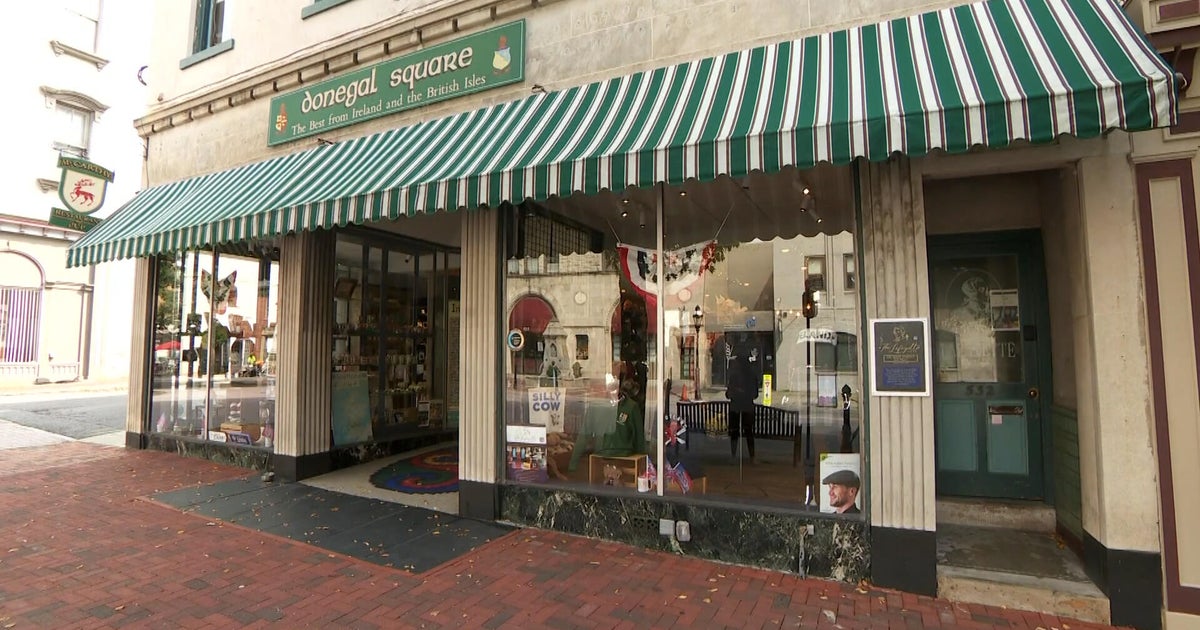
Small business inflation and tariffs are producing sharply different results for the owners featured in a CBS News report two weeks before Election Day: a Baltimore manufacturer says it is hiring, while a Pennsylvania retailer and a Northern Virginia restaurant say rising costs are squeezing business.
The report does not establish that tariffs caused the individual outcomes. It shows how a company using domestic steel sees the policy differently from businesses exposed to imported goods, silver prices and fuel costs.
How are inflation and tariffs affecting small businesses?
Drew Greenblatt, owner of Marlin Steel in Baltimore, told CBS his company was growing, adding equipment and factories, and hiring workers. The business uses U.S. steel to make specialized products including paint-bucket handles and data-center components.
Greenblatt said President Trump’s tariff policies had helped his business model. Because Marlin Steel uses American steel and manufactures in the U.S., he said he supported the tariffs.
Elsewhere in the report, the view was far less upbeat. Neville Gardner, who owns a Celtic retail store in Bethlehem, Pennsylvania, said his shop imports jewelry from Ireland and has been hit by rapidly rising silver prices.
Gardner estimated the business had taken a 20% hit. He also said inflation was weighing on employees, some of whom were living paycheck to paycheck.
At Ford’s Fish Shack in Northern Virginia, owner Tony Stafford said fuel costs were driving up the price of supplies and cutting into the restaurant’s bottom line. He estimated customer traffic had fallen 20%.
What did the small-business survey find?
CBS cited a recent U.S. Chamber of Commerce survey in which about 54% of small businesses said inflation was their most significant challenge. The report did not provide the survey’s methodology, sample size or field dates.
CBS also said 71% of small businesses responding to a Chamber survey described their companies as being in good health. That figure sits alongside the concerns over inflation, though the supplied report did not explain the survey wording or how the measures were collected.
The owners interviewed by CBS said they wanted bipartisan action and policies that support small businesses. Their accounts underline an uneven picture before the midterm election: some firms say they are expanding, while others say higher input costs and softer demand are taking a toll.
This story draws on original reporting from CBS News.