Small thermostat tweaks can cut summer cooling costs, experts say
Cooling experts say modest thermostat changes, clean filters and sealed windows can help lower air conditioning bills during extreme summer heat.
By Sal Moretti · Money Reporter
3 min read
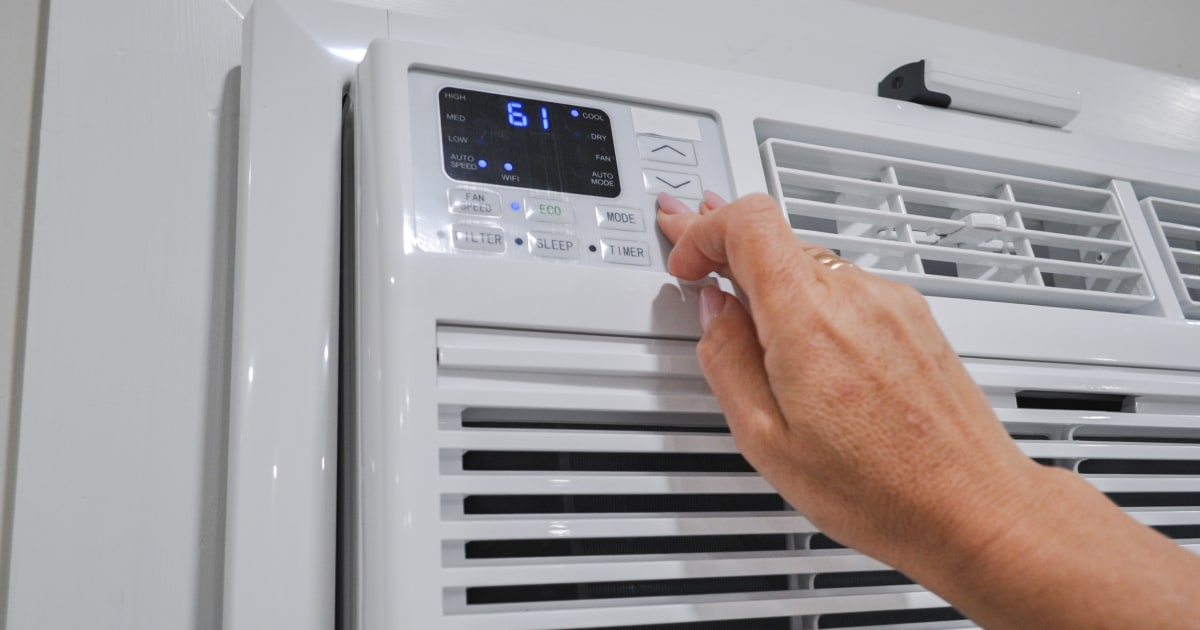
A two- or three-degree bump on the thermostat could trim a monthly cooling bill by 2% to 3%, according to Lisa Purvins, vice president of Pro-Tech Heating and Cooling in Grand Rapids, Michigan.
That small change is one of several summer bill-cutting moves recommended by cooling specialists interviewed by NBC Selected as air conditioners work overtime during stretches of triple-digit heat across the country.
Purvins said lowering air conditioning costs usually comes down to a mix of everyday habits and home efficiency fixes. Small changes to routines, paired with better home performance, can reduce energy use while keeping rooms comfortable, she said.
Start with the thermostat
Purvins said many households may barely feel a two- or three-degree increase in the temperature setting, while the bill may show the difference. The same advice applies to both central air systems and window units, according to NBC Selected.
A smart or programmable thermostat can also help, Purvins said. Instead of cooling an empty home all day, users can set the temperature higher while they are out and lower it before they return. Many smart models can be controlled by phone, which lets users cool the house before they walk in.
Experts did not advise shutting off air conditioning in every case, since cooling a hot home back down can take time. The main goal, according to Purvins, is to avoid running the system harder than needed when nobody is home.
Do not skip maintenance
Purvins said regular air conditioner care, including changing filters, is key. When a unit gets clogged or a filter is dirty, airflow can suffer and the machine has to use more energy to push cool air into the room.
For window units, cleaning the equipment can help. For central systems, NBC Selected reported that a professional service visit may prevent energy waste tied to poor maintenance.
Steve Rosas, environmental consultant and chief operations officer and president of Omega Environmental, said shoppers replacing an air conditioner should look for Energy Star-rated models. He said units with the government-backed rating are built to use energy more efficiently and often include controls and settings designed to improve performance.
NBC Selected highlighted several highly rated cooling products, including a 5,000-BTU Amazon Basics window unit for rooms up to 150 square feet, a 12,000-BTU Midea U-shaped Energy Star-certified window unit for spaces up to 550 square feet and an LG 14,000-BTU smart window unit for spaces up to 800 square feet. The report also cited a Black+Decker 9,000-BTU portable unit for rooms up to 400 square feet.
Seal the leaks and block the sun
Rosas and Purvins both pointed to insulation and sealing as important parts of keeping a home cool. Gaps around windows and doors can let hot air inside, Rosas said.
Rosas recommended caulking gaps around windows and adding weather stripping around doors. NBC Selected described weather stripping as thin foam strips and noted the work can be done by homeowners using online tutorials or handled by a handyman.
Purvins also recommended using windows strategically. Opening them in cooler parts of the day, such as early morning or late evening, can create a cross breeze. During hotter hours, she suggested keeping heavy curtains or blinds closed so sunlight does not heat the home.
Fans can help, too, although Rosas said they do not cool the air itself. Ceiling fans and tower fans keep air moving, and placing fans near open windows at night can pull cooler air inside and circulate it through the home.
The bottom line from the experts: the air conditioner does not have to run full blast all day to keep a home livable. A few degrees, a clean filter, tighter seals and smarter airflow can all take pressure off the system and the bill.
This story draws on original reporting from NBC News.