‘My Sad Dead’ review: Pablo Larraín’s ghosts haunt a wounded Buenos Aires
Critics praise Mercedes Morán and a chilling social-horror vision, while questioning the festival cut’s sprawling, episodic shape.
By Bianca Rossi · Entertainment Editor
3 min read
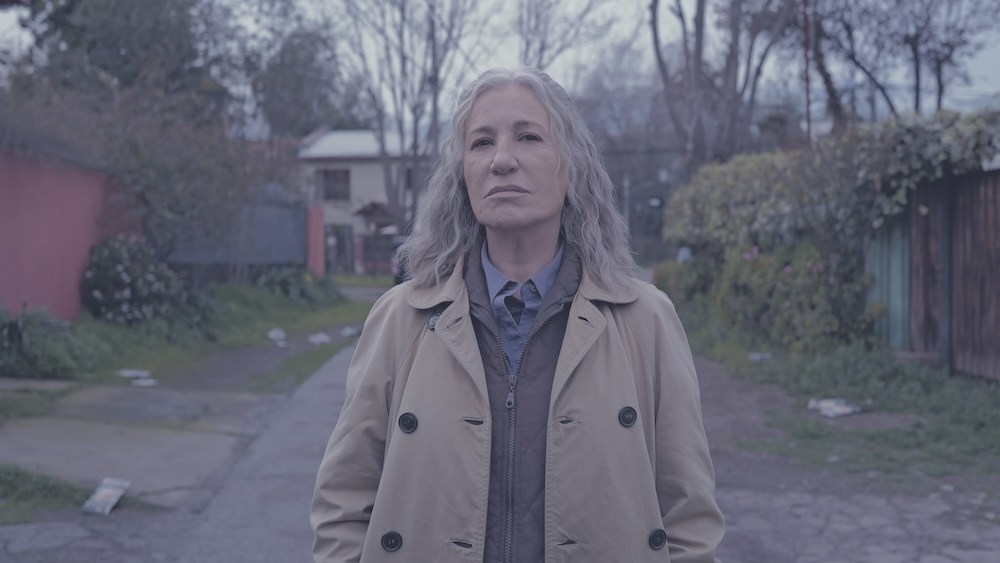
This My Sad Dead review roundup finds Pablo Larraín turning a ghost story into a long, bruising portrait of grief and neglect in Buenos Aires. Critics reviewing the San Sebastián version praise Mercedes Morán as Ema, a retired doctor who sees and hears the dead, while differing over whether the feature’s immense scope holds together.
According to Variety’s Jessica Kiang, Ema returns to the Piedrabuena area to care for her dying mother and is pulled back toward a community scarred by violence. The dead are not background decoration here. Their cries, injuries and unfinished suffering press in on Ema, turning the supernatural premise into a demand that the living pay attention.
IndieWire’s Ben Travers similarly describes the story as one of mourning, family strain and an overlooked neighborhood, with tortured spirits desperate to be heard. That reading is central to the reviews: the hauntings are treated less like clues in a murder mystery than as reminders of pain people have ignored.
What is ‘My Sad Dead’ about?
My Sad Dead follows Ema, played by Morán, after her mother’s death as she confronts ghosts and the pressures surrounding Piedrabuena. Reviewers say the film moves among horror, grotesque imagery, dark comedy, grief drama and social satire, without settling into one neat genre.
Larraín and co-writer Guillermo Calderón adapted Mariana Enriquez’s short stories, according to The Film Verdict and ICS Film. The reviews identify Ema’s sister Lidia as played by Alejandra Flechner and Lidia’s daughter Julia as played by Carolina Álvarez, but the surrounding plot developments are best left for the film itself.
Kiang sees the project as a critique of social isolation and harsh housing design, alongside its horror elements. ICS Film calls it a ghost-story-filtered existential drama with magical realism and social commentary. Those are critics’ interpretations, but they share a view that the film ties personal loss to a wider community’s unaddressed suffering.
A bold performance and a pale, ghostly world
Morán is the clearest point of agreement. Variety singles out the actor’s dry humor and weary presence, while ICS Film praises her performance as the emotional center of the sprawling story.
Critics also note cinematographer Sergio Armstrong’s drained visual design. Variety describes a low-contrast, gray-pink image that makes the boundary between the living and dead feel unsettlingly thin. ICS Film likewise highlights a visual world that seems to have had much of its color leeched away.
Film or limited series?
The reports describe a format still worth keeping straight. Variety says the project began as a Netflix miniseries before being reshaped into a 186-minute movie for San Sebastián. The Film Verdict calls the festival version a three-hour reduction of a four-episode Netflix miniseries and lists it at 187 minutes.
That feature cut drew the sharpest divide. Kiang and ICS Film regard its breadth and shifting tones as part of its power. The Film Verdict was more reserved, arguing that the condensed version retains an episodic rhythm and lacks a strong enough dramatic throughline, even as it finds the characters and mordant humor effective.
For critics who responded to it, My Sad Dead is an ambitious, uncomfortable work that asks viewers to sit with voices a neighborhood has failed to answer. The available reviews concern the festival feature version, rather than confirming the final form of any streaming release.
This story draws on original reporting from Variety.