Jeffrey Weisheit seeks reprieve over Indiana execution drug supplier claims
Jeffrey Weisheit’s lawyers asked Gov. Mike Braun to pause a Nov. 5 execution over drugs allegedly tied to a pharmacy on probation.
By Frankie Delgado · News Reporter
3 min read
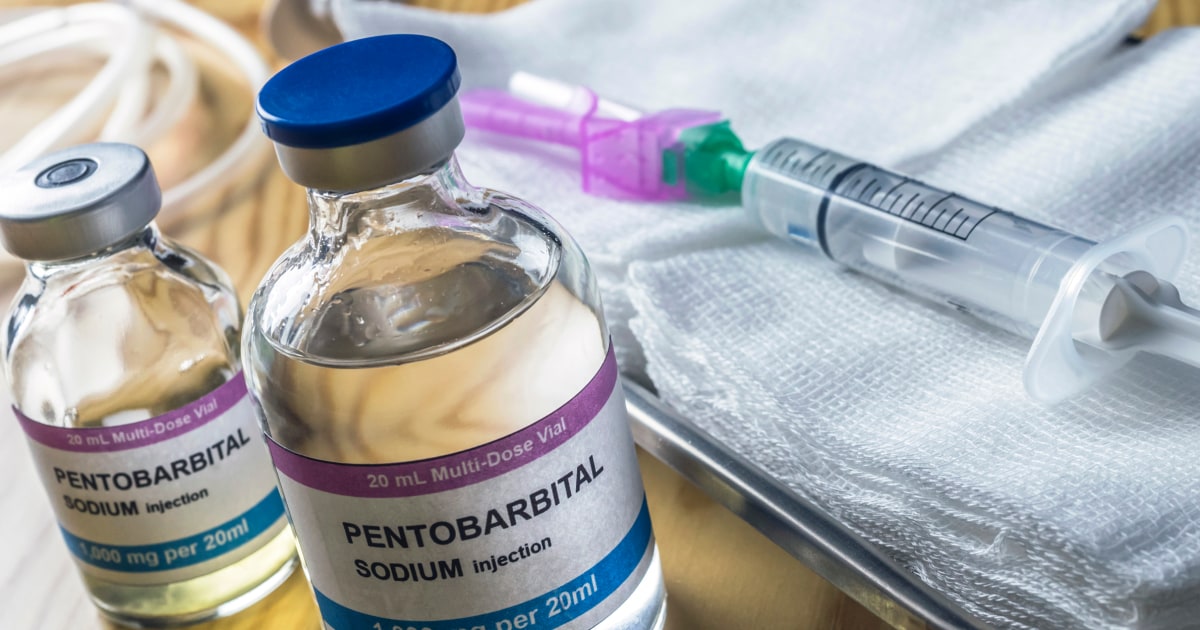
Indiana execution drug supplier questions have prompted Jeffrey Weisheit’s lawyers to ask Gov. Mike Braun to stop his scheduled Nov. 5 execution and order an independent review of the state’s lethal-injection drug purchases and procedures.
The lawyers say Indiana obtained pentobarbital for the execution from Pharmaneek Inc., an Indianapolis pharmacy whose licenses were listed as on probation and which faced a Nov. 9 Indiana Board of Pharmacy hearing over possible emergency suspension or other sanctions. The Department of Correction has not confirmed the supplier, citing the state’s execution-secrecy law.
Weisheit, 50, was due to be executed before sunrise Thursday, NBC News reported Nov. 4. He was convicted in the 2010 killings of two children in a house fire and has sought to have his sentence changed to life without parole.
Why are lawyers challenging Indiana’s execution drug supplier?
Indiana’s Department of Correction confirmed that it paid $275,000 for the drugs and had them for Weisheit’s execution, according to the Indiana Capital Chronicle. An inventory record showed the prison received six 50-milliliter pentobarbital vials on Oct. 29 and stored them in a locked chemical safe at Indiana State Prison.
The record did not name a supplier or list expiration dates, temperature readings or testing results. Weisheit’s lawyers identified Pharmaneek as the supplier. The Capital Chronicle reported that text recoverable beneath a redaction on a September DOC invoice included an address matching the company’s addresses in state records, but that is not a DOC confirmation.
Indiana law keeps identifying details about pharmacies and other participants in executions confidential, limiting their disclosure and use in legal proceedings. The DOC said it was following that law and remained confident it could humanely carry out the court-ordered sentence.
The attorney general’s office also said it believed the execution could proceed safely and lawfully, while declining to discuss information protected by the secrecy law.
What was pending against Pharmaneek?
Pharmaneek’s pharmacy license and controlled-substance registration were listed as on probation in records dated Oct. 26, the Capital Chronicle reported. A March settlement with the pharmacy board followed failed inspections, imposed a $1,500 fine, required corrective-action plans and barred compounding during probation until specified requirements were met.
A separate FDA inspection identified concerns involving cross-contamination safeguards, water-quality checks and a damaged ceiling tile over a medication-preparation area, according to the report. Pharmaneek was scheduled to appear before the pharmacy board four days after the planned execution; the board had not ordered a suspension at the time of the reporting.
Those regulatory issues do not establish that the six vials set aside for Weisheit were contaminated, improperly stored or unsuitable for use. Weisheit’s reprieve application argues that the pharmacy’s history, the drug’s supply chain and Indiana’s execution procedures warrant scrutiny.
The $275,000 price was also far above the reported $15,120 to $16,250 commercial range for injectable pentobarbital. Weisheit’s lawyers cited that gap in their request, but the available records do not establish that Indiana bought the drugs improperly.
This story draws on original reporting from NBC News.