Minnesota DFL regains control of state government in preliminary results
Unofficial election returns put the DFL in charge of Minnesota’s governorship and both legislative chambers after two years of divided rule.
By Deshawn Carter · Sports Writer
3 min read
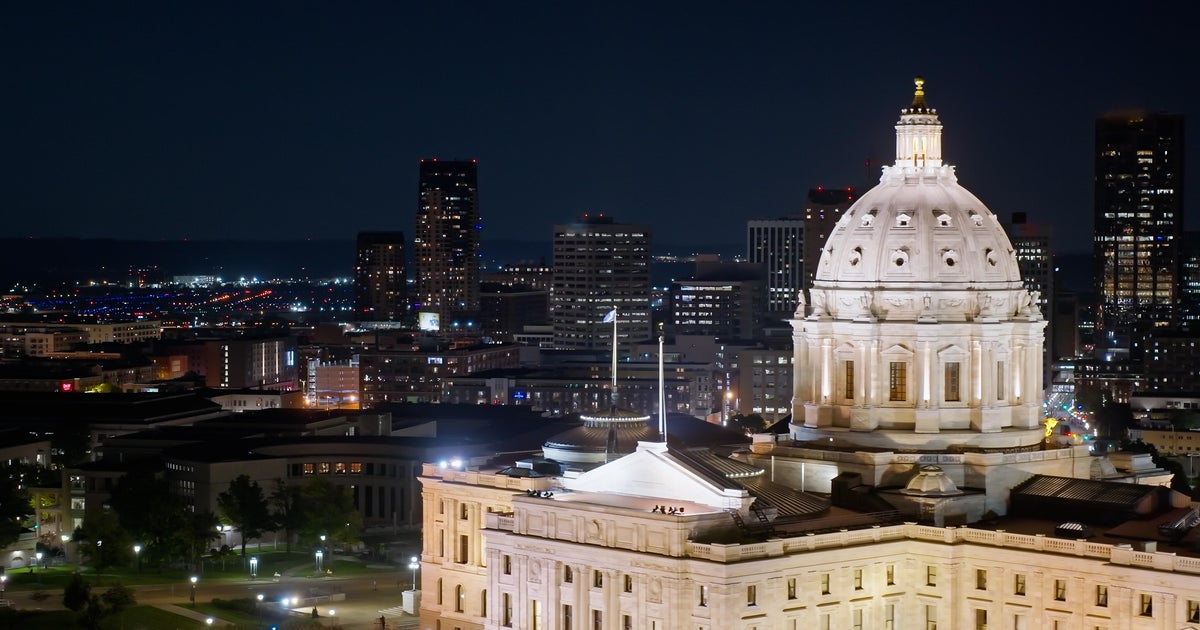
Minnesota DFL trifecta 2026 is back on the political map: unofficial election returns reported by CBS Minnesota put Democrats in control of the governor’s office, the state House and the state Senate after two years of divided government.
DFL nominee Amy Klobuchar defeated Republican House Speaker Lisa Demuth in the governor’s race, CBS Minnesota reported. Klobuchar is expected to become Minnesota’s first woman governor after Gov. Tim Walz chose not to seek a third term.
The results were still preliminary, with legislative races uncalled and no certified statewide outcome cited in the available reporting.
What does a DFL trifecta mean in Minnesota?
A governing trifecta means one party holds the governor’s office and majorities in both legislative chambers. That gives the DFL control of the state government’s three main elected centers of power, though bills must still move through the Legislature and be signed by the governor.
In its early Wednesday count, CBS Minnesota reported the DFL had secured at least 72 of the House’s 134 seats, above the 68-seat majority threshold. Republicans had won 50 seats, with 12 contests still outstanding.
In the 67-seat Senate, CBS reported the DFL had at least 34 seats, the minimum needed for control, while Republicans had 24 and nine races had yet to be called.
Axios later reported a different, later preliminary Senate snapshot, showing 39 DFL seats and 28 Republican seats as of 6 a.m. Nov. 4. It said a four-vote deficit in one contest would trigger a recount. Axios also reported House Democrats were headed toward a 20-seat majority. Those figures remain unofficial.
How Minnesota got here
The DFL previously held full control for two years, but the 2024 election ended that run when Republicans gained three House seats and produced a 67-67 tie, according to CBS Minnesota. The parties negotiated a power-sharing deal that began in 2025.
Democrats entered this election with a 34-33 Senate edge and 67 House seats after a Republican resignation broke the House tie, CBS reported. The party’s House gains are what restored unified control.
What could return to the agenda
Several proposals were stuck during divided government. CBS Minnesota reported that an assault-weapons ban did not receive a House-floor vote, while a proposed Office of Inspector General focused on fraud had bipartisan Senate support but did not clear the House.
Taxes and the state budget will also be immediate pressure points. CBS reported Republicans had sought to align state tax rules with federal changes, while Democrats warned that federal funding cuts could make budget choices harder.
The new majority does not settle what will pass. Axios reported that Minnesota is no longer flush with cash as it was during the last DFL trifecta, and that Klobuchar campaigned on fiscal restraint and fighting fraud. A Yahoo-hosted report said Klobuchar also pledged not to raise taxes, while DFL House Leader Zack Stephenson listed health care, housing, child care, energy and food costs among party priorities.
This story draws on original reporting from CBS News.